A snack here, a ready-meal there. Ultra-processed foods are woven into everyday life, often without much thought. However, new research suggests the question is not only whether these foods contain too much sugar, salt or fat. It may also be whether the way food is processed changes its relationship with the brain.
A study by researchers from Monash University, the University of São Paulo and Deakin University has found that higher intake of ultra-processed foods is linked to poorer attention and higher levels of modifiable dementia risk. The finding is especially interesting because the link remained even among people whose overall diet quality was otherwise healthy.
So what is it about heavily processed food that may matter, and why would the first signal show up in focus rather than memory?

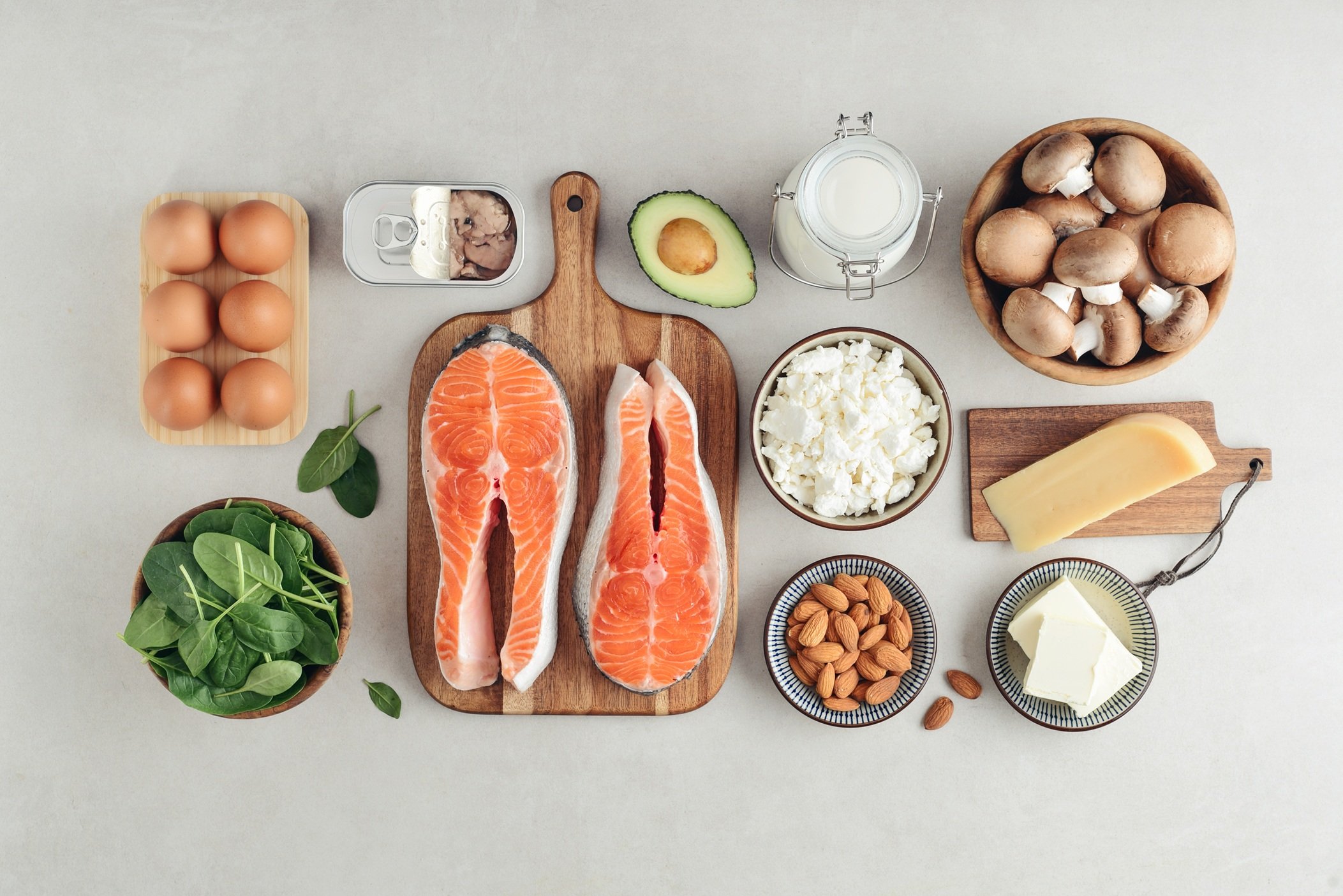
Image Credit: Rimma Bondarenko via Shutterstock / HDR tune by Universal-Sci
What does a small daily increase really mean?
The study, published in Alzheimer’s & Dementia: Diagnosis, Assessment & Disease Monitoring, examined more than 2,100 Australian adults aged 40 to 70 who did not have dementia.
That age range matters. Midlife is a period when risk factors for dementia can begin to build long before symptoms appear. It is also a time when changes to diet, physical activity, blood pressure, cholesterol and weight may still help protect long-term brain health.
Researchers assessed participants’ usual diets and classified foods using the Nova system, which groups foods by the extent and purpose of processing. Ultra-processed foods include products such as soft drinks, packaged salty snacks, ready-made meals, processed meats, instant soups, packaged desserts and many foods made mostly from refined ingredients and additives rather than whole foods.
The participants were getting about 41 per cent of their daily energy from ultra-processed foods, very close to the Australian average of 42 per cent. In other words, this was not an unusual diet pattern. It reflected what many people already eat.
Interesting article: Is Food Quality More Important Than Reducing Fat or Carbs for Heart Health? - (Universal-Sci)
Lead author Dr Barbara Cardoso, from Monash University, explained the scale of the finding in everyday terms.
“To put our findings in perspective, a 10 per cent increase in UPFs is roughly equivalent to adding a standard packet of chips to your daily diet,” Dr Cardoso said.
That increase was linked to lower attention scores.
“For every 10 per cent increase in ultra-processed food a person consumed, we saw a distinct and measurable drop in a person’s ability to focus,” she said.
Why did the signal show up in attention?
The study did not find a direct association between ultra-processed foods and memory loss. That is an important detail, and it keeps the findings in perspective.
But attention is not a minor part of thinking. It helps the brain take in information, respond to what is happening and support more complex tasks such as learning, problem-solving and memory formation.
In the study, attention was measured using online card-based cognitive tests. These tasks looked at processing speed, visual attention, recognition memory and working memory. The result was not simply about people feeling distracted. It came from standardised tests of how quickly and accurately they responded to visual information.


The clearest difference appeared among people in the highest ultra-processed food intake group. According to the paper, this group got at least 28.3 per cent of their total food and drink weight from ultra-processed foods. The researchers also found a broader trend: as ultra-processed food intake increased, attention scores tended to decline.
The foods contributing most to ultra-processed intake were familiar ones. The paper lists dairy-based desserts and drinks, soft drinks and other sweetened beverages, packaged salty snacks and potato products, processed meats and ready meals among the largest contributors by weight.
That familiarity is part of what makes the finding worth paying attention to. The issue is not limited to one obvious “junk food”. It sits across many convenient, everyday products.
Is this about unhealthy diets, or processing itself?
One of the more interesting parts of the study is that the attention link remained even after researchers adjusted for adherence to a Mediterranean diet, a pattern often associated with better brain and heart health.
That suggests ultra-processed foods may matter in a way that is not fully explained by missing out on healthy foods. A person may eat plenty of healthy foods and still consume enough ultra-processed products for processing itself to be relevant.
Interesting article: Are Soft Foods Quietly Compromising Your Brain Health? - (Universal-Sci)
“Food ultra-processing often destroys the natural structure of food and introduces potentially harmful substances like artificial additives or processing chemicals,” she said.
According to the paper, possible explanations include the loss of whole-food components such as vitamins, minerals and phytochemicals, along with exposure to additives or processing-related compounds. The authors also discuss possible links through blood vessel health, chronic disease risk, inflammation and the gut-brain axis.
These are possible pathways, not proof from this study alone. The study was cross-sectional, meaning it looked at diet and brain measures at one point in time. It can show an association, but it cannot prove that ultra-processed foods caused poorer attention or higher dementia risk factors.
The dementia-risk finding also needs careful wording. Ultra-processed food intake was most clearly linked to a modified dementia risk score focused on factors that can potentially be changed, such as blood pressure, cholesterol, physical activity and body weight. That points less to an immediate dementia diagnosis and more to risk pathways that may shape brain health over time.
Still, that may be exactly why the study matters. If the link runs partly through modifiable risks, it points to areas where people may have room to act.
The takeaway is not that one snack will decide anyone’s future. It is that food processing may deserve a bigger place in how we think about brain-friendly eating. Nutrients still matter. Overall diet quality still matters. But this research suggests another question belongs alongside them: how far has this food been pushed from its original form?
If you are interested in more details about the underlying research, check out the paper published in Alzheimer s & Dementia Diagnosis Assessment & Disease Monitoring, listed below our article.
Sources, further reading and more interesting articles:
Ultra-processed food intake, cognitive function, and dementia risk: A cross-sectional study of middle-aged and older Australian adults - (Alzheimer s & Dementia Diagnosis Assessment & Disease Monitoring)
Scientists Discovered How the Brain Remembers Foods That Made You Sick - (Universal-Sci)
Are Soft Foods Quietly Compromising Your Brain Health? - (Universal-Sci)
Do we humans owe our large brains to starch? - (Universal-Sci)
Is Food Quality More Important Than Reducing Fat or Carbs for Heart Health? - (Universal-Sci)

Too busy to follow science news during the week? - Consider subscribing to our (free) newsletter - (Universal-Sci Weekly) - and get the 5 most interesting science articles of the week in your inbox
FEATURED ARTICLES: