

news and background stories on the subjects of health, Mind & Brain
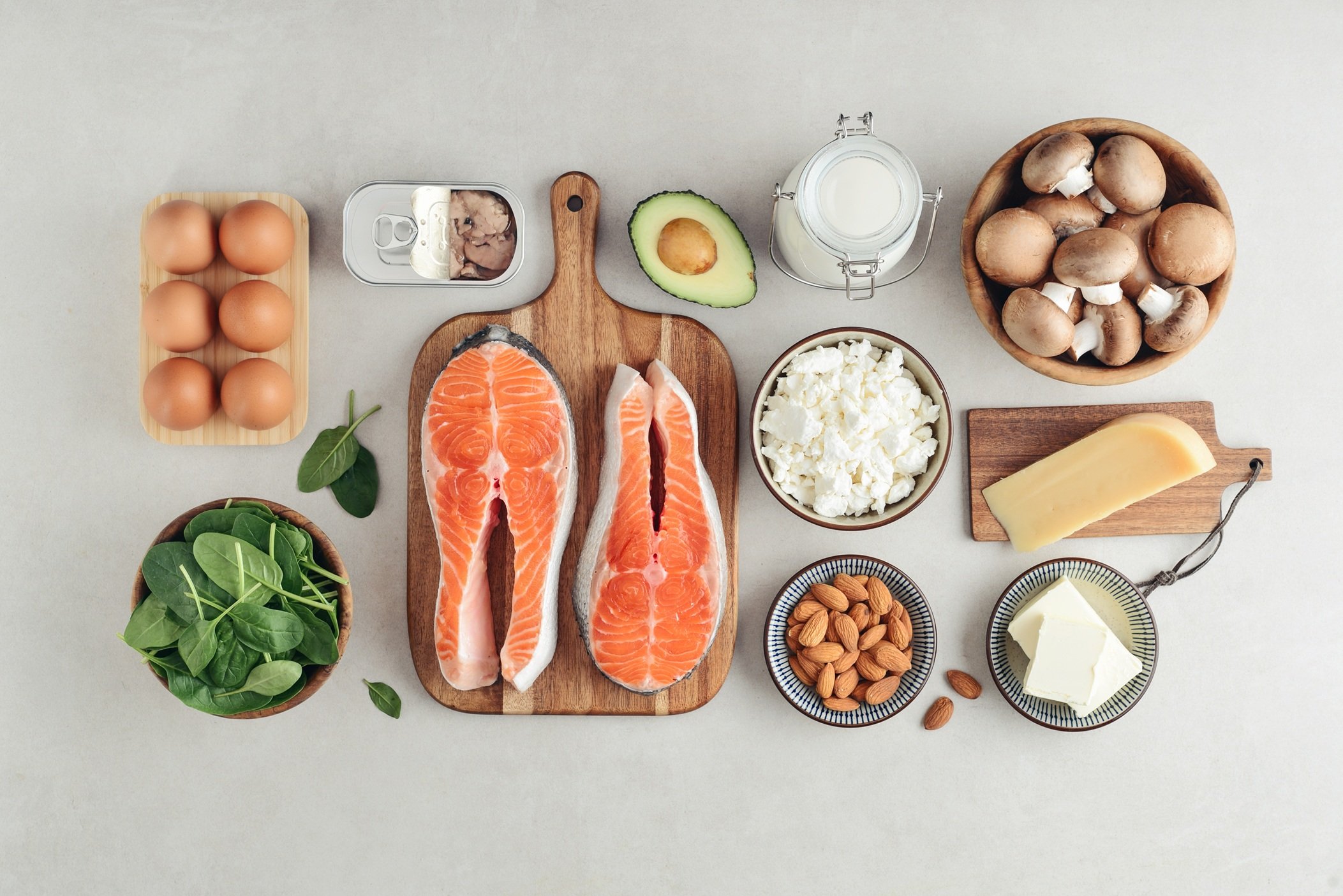
Vitamin D may help some people with prediabetes. Research has uncovered the reason it works for some but not others

For years, the standard advice on exercise has sounded simple: move more. But a large new study suggests that message may be missing something important.

Most of us think of sitting as one big category. Too much of it is bad, and that is the end of the story. But research suggests the picture may be more complicated than that,

We’ve all experienced that post-workout mental clarity - that feeling of being a bit "sharper" after hitting the gym or going for a run. But what is actually happening inside our heads to cause that?
Research gives us an unprecedented look into the brain right after physical activity, and the findings might just change how you view a quick sweat session.

A long-running study of more than 131,000 adults links moderate caffeinated coffee or tea intake with a slightly lower risk of dementia and slower cognitive decline. Here is what it found, and what it does not prove.

Some memories vanish by dinner time. Others stay with us for decades. What decides which is which?

Most of us think of dentists when our gums are sore, not brain scans. Yet a new study hints that what’s happening along the gumline may show up deep inside the brain.
Here’s what the scientists measured, what it could mean, and how to protect yourself while we wait for more answers.

You might not now this but the simple act of chewing has a big impact on your brain health. In this article, we explore why texture and oral care matter so much.

Research suggests that the timing of your exam can significantly impact your chances of passing, and the same might hold true for job interviews.

Ever wonder why you still feel tired, irritable, or unable to concentrate, even after a full night’s sleep? Studies suggest the culprit could be your night-time exposure to artificial light—from smartphones, tablets, computers, and LED lights.

A large-scale study suggests that women who regularly drink caffeinated coffee may experience healthier aging.

New research from Brown University reveals surprising insights into why Americans at every economic level have shorter lifespans compared to Europeans.

Have you ever eaten something that made you so sick you couldn't stomach the idea of eating it again? A team of neuroscientists has discovered exactly how the brain creates these strong food aversions after just one bad experience.

Research shows that nostalgia could be helping you hold onto your closest relationships.
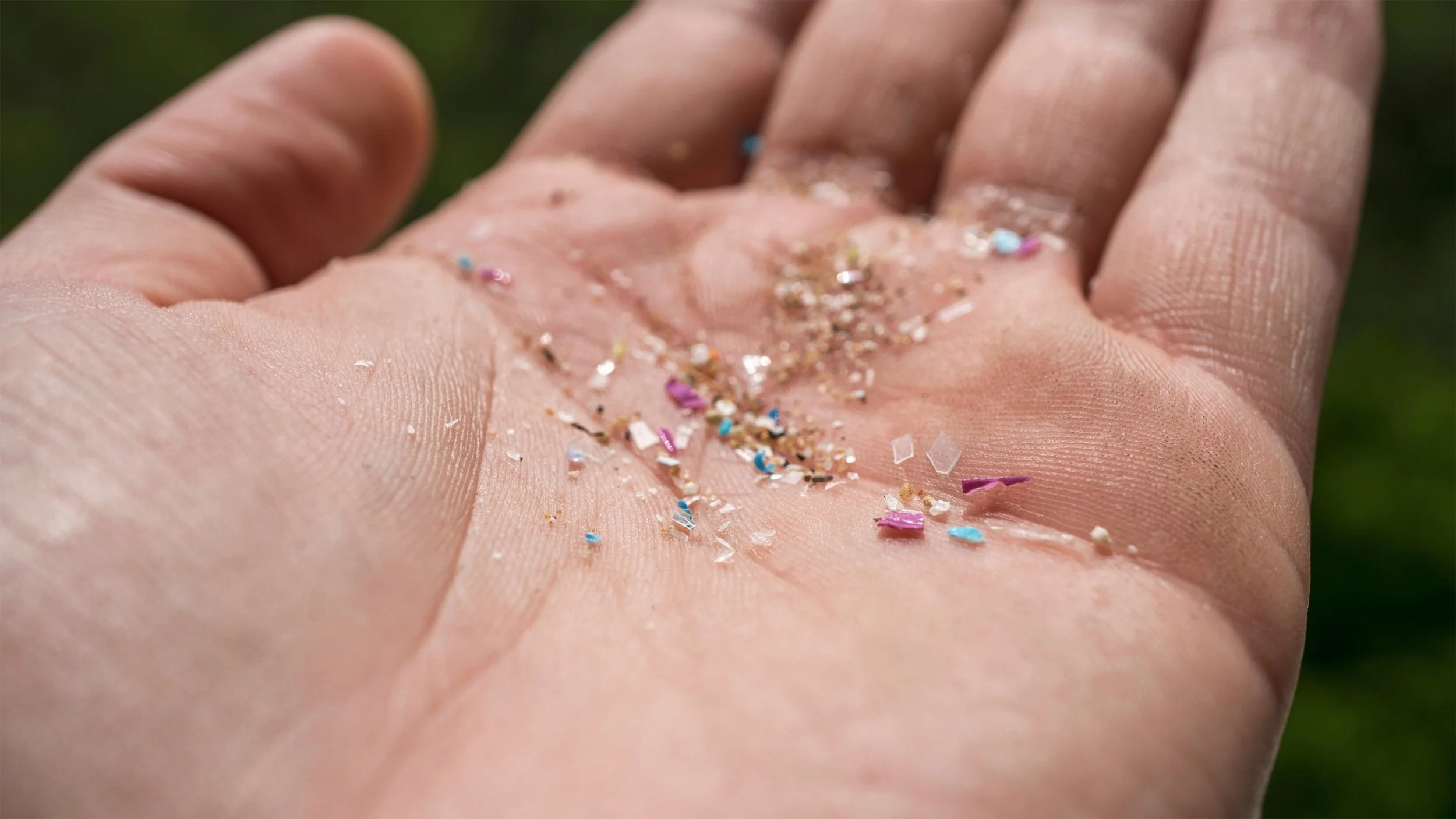
A new scientific review highlights a growing concern: microplastics and nanoplastics are accumulating in human brain tissue. Researchers are now investigating what this could mean for brain health and how we can reduce our exposure.

Your everyday routine may be quietly accelerating your brain’s decline—yet with a few simple but powerful adjustments, you can preserve your cognitive health.

Could a quick, painless tear sample someday help doctors monitor changes in the brain before major symptoms appear?

In this article, scientists Stewart Edie and Torben Rick take you on a journey through the United States as nature sees it, beyond state lines and political borders.
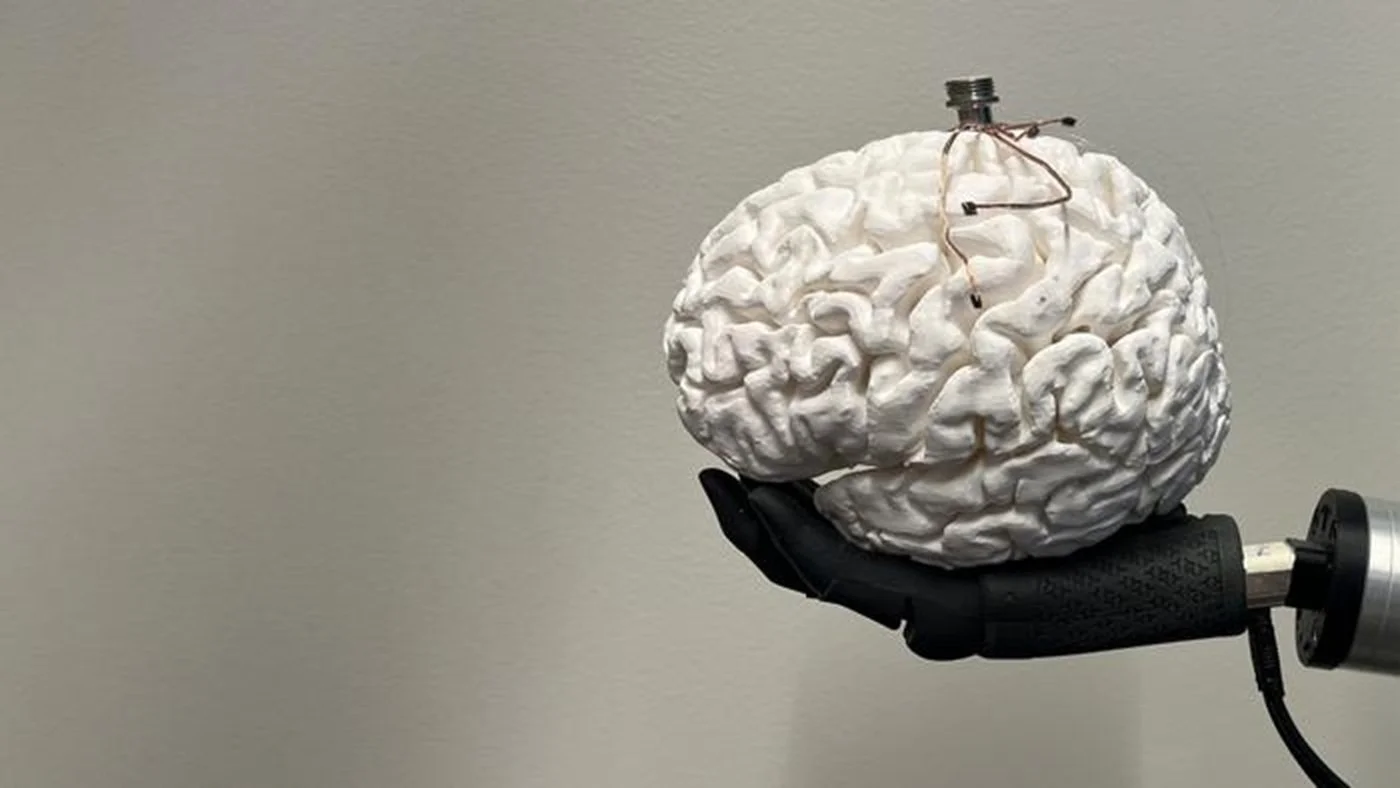
Scientists have uncovered a surprising link between technologies designed to restore sight and touch, opening the door to a more unified approach for people with severe vision loss or paralysis.

For decades, weight loss has often been reduced to a simple formula: eat less and move more. But as many people know from experience, body weight is far more complex than basic calorie counting.

A snack here, a ready-meal there. Ultra-processed foods are woven into everyday life, often without much thought. However, new research suggests the question is not only whether these foods contain too much sugar, salt or fat. It may also be whether the way food is processed changes its relationship with the brain.
Vitamin D may help some people with prediabetes. Research has uncovered the reason it works for some but not others
For years, the standard advice on exercise has sounded simple: move more. But a large new study suggests that message may be missing something important.
Most of us think of sitting as one big category. Too much of it is bad, and that is the end of the story. But research suggests the picture may be more complicated than that,
We’ve all experienced that post-workout mental clarity - that feeling of being a bit "sharper" after hitting the gym or going for a run. But what is actually happening inside our heads to cause that?
Research gives us an unprecedented look into the brain right after physical activity, and the findings might just change how you view a quick sweat session.
A long-running study of more than 131,000 adults links moderate caffeinated coffee or tea intake with a slightly lower risk of dementia and slower cognitive decline. Here is what it found, and what it does not prove.
Some memories vanish by dinner time. Others stay with us for decades. What decides which is which?
Most of us think of dentists when our gums are sore, not brain scans. Yet a new study hints that what’s happening along the gumline may show up deep inside the brain.
Here’s what the scientists measured, what it could mean, and how to protect yourself while we wait for more answers.
You might not now this but the simple act of chewing has a big impact on your brain health. In this article, we explore why texture and oral care matter so much.
Research suggests that the timing of your exam can significantly impact your chances of passing, and the same might hold true for job interviews.
Ever wonder why you still feel tired, irritable, or unable to concentrate, even after a full night’s sleep? Studies suggest the culprit could be your night-time exposure to artificial light—from smartphones, tablets, computers, and LED lights.

A new study shows teenagers spend over 20% of their drive time looking at their phones, despite knowing the dangers. Experts say simple steps could help keep young drivers, and everyone on the road, safer.

Four common causes and some helpful tips on what you can do to alleviate sleep problems according to science
A large-scale study suggests that women who regularly drink caffeinated coffee may experience healthier aging.

According to research, when it comes to protecting your heart, what you eat may be just as important as the type of diet you follow.

As people grow older they often seem to become less sociable. Is this actually the case, and if so, what causes this change?

A recent social media trend involving taping one's mouth shut at night to prevent mouth breathing has sparked considerable debate. But according to new research, this popular sleep hack may be less effective—and more risky—than people think.

Scientists have uncovered how a tiny molecular machine called the mitochondrial pyruvate carrier unlocks the gates to our cells’ powerhouses—an energy-boosting breakthrough that could pave the way for new treatments for cancer, diabetes, and more.
New research from Brown University reveals surprising insights into why Americans at every economic level have shorter lifespans compared to Europeans.
Have you ever eaten something that made you so sick you couldn't stomach the idea of eating it again? A team of neuroscientists has discovered exactly how the brain creates these strong food aversions after just one bad experience.
Research shows that nostalgia could be helping you hold onto your closest relationships.
A new scientific review highlights a growing concern: microplastics and nanoplastics are accumulating in human brain tissue. Researchers are now investigating what this could mean for brain health and how we can reduce our exposure.
Your everyday routine may be quietly accelerating your brain’s decline—yet with a few simple but powerful adjustments, you can preserve your cognitive health.

Ever wonder why some people vividly recall their dreams while others wake up with a blank slate? Researchers may have found the answer

Noise-cancelling headphones have become increasingly popular for people seeking peace and quiet, whether in a bustling office or on a noisy airplane. But how exactly do they work, and can using them be bad for your brain?

Eating more processed red meat increases the risk of cognitive decline and dementia, according to a study published in the peer-reviewed science journal Neurology.
Older Featured Content: