

Do you think that the machine you are reading this story on, right now, has a feeling of “what it is like” to be in its state? What about a pet dog? Does it have a sense of what it’s like to be in its state? It may pine for attention, and appear to have a unique subjective experience, but what separates the two cases?
Broccoli ingredient has positive influence on drug efficacy
Colon cancer cells that are pretreated with an ingredient found in cruciferous vegetables are more likely to be killed by a cancer drug that is currently in development, found ETH scientists. This is one of only a few examples of a food ingredient that, in moderate amounts, has a positive influence on the efficacy of a cancer drug.
Remember: a bad memory is actually good for you

It’s not uncommon to hear people wishing that they had a better memory. “If only I weren’t so forgetful”, they complain. “If only I could reliably remember my computer password, and that my neighbour’s name is Sarah, not Sandra.” If this sounds familiar then I know how you feel. As a psychologist who studies the science of remembering, it’s especially embarrassing to me that my memory is frequently dreadful. When asked whether I had a good weekend, I often struggle to immediately recollect enough details to provide an answer.
Health Check: five ways to get a better night’s sleep

We devote around seven to eight hours to sleep each night in adulthood and ten to 12 hours in childhood. This amounts to around 200,000 hours in our first 60 years of life. Not getting enough sleep does a disservice to our brain and physical health. But how can we improve our chances of getting a good night’s rest?
Why ‘7’ is the luckiest number

Football teams have been wearing numbers since Arsenal experimented with putting their players in numbered shirts in 1928 (it didn’t bring them much luck – they lost 3-2 to Sheffield Wednesday). But it was Manchester United that made the number seven shirt iconic by putting their best players in it – perhaps most famously David Beckham
Wake up sleepy head: why we fall asleep when we don’t want to

The world’s biggest source of freshwater is beneath your feet

Research Check: does eating chocolate improve your brain function?

Should you eat breakfast?

In the middle of the last century, popular nutrition author Adelle Davis advised people to eat breakfast like a king, lunch like a prince, and dinner like a pauper. Her advice stuck. Recent examination of the merits of adults eating breakfast has raised the question of whether we should indeed eat like kings at breakfast or just skip it all together.
Do fish have feelings? Maybe…
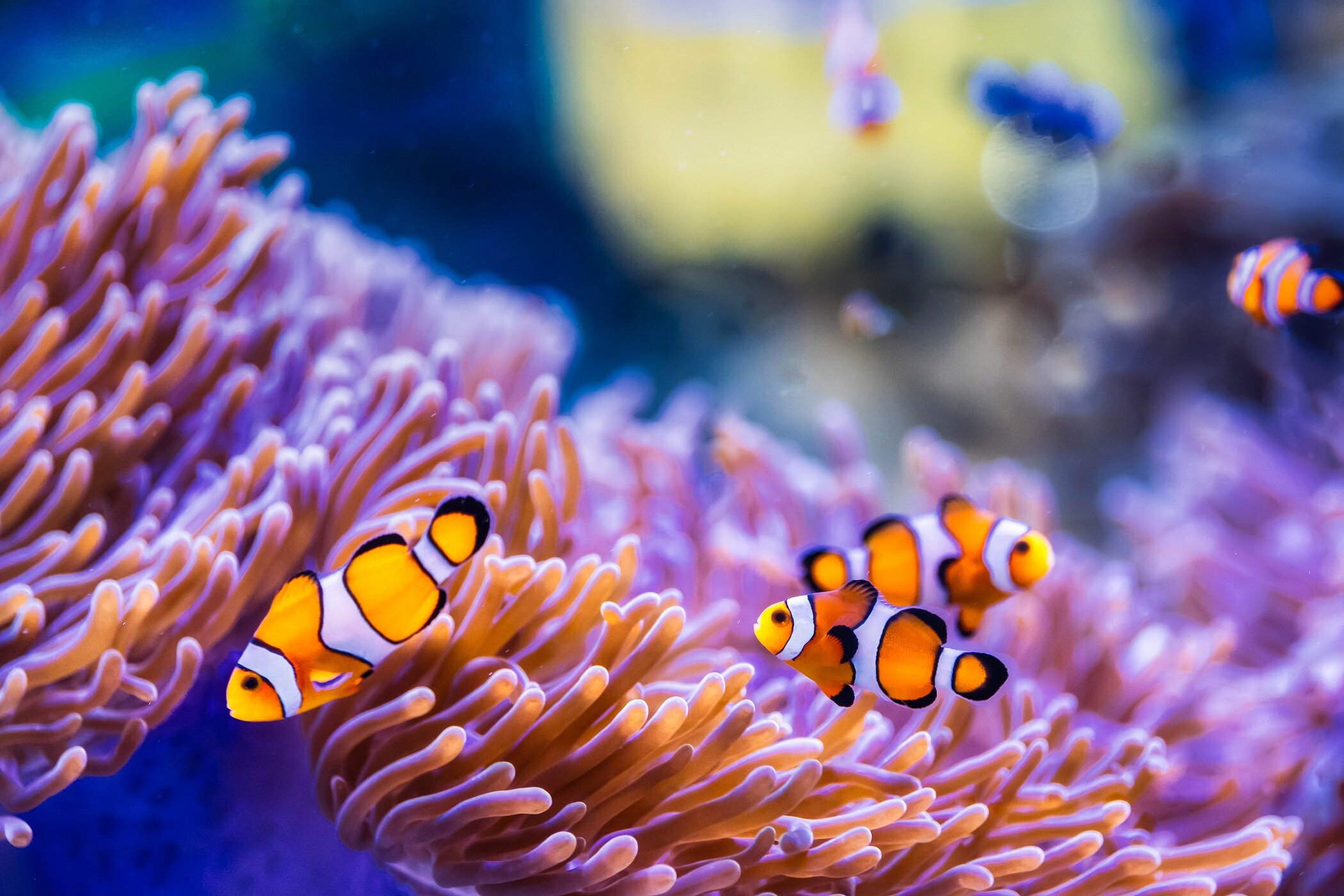
The question of whether animals other than humans can think and feel has been debated for centuries. Most of us would agree that humans have a level of consciousness, loosely defined as an ability to experience thoughts and emotions. But which other creatures have consciousness remains an open and controversial question.
The five greatest balls of fire over Earth

We live on a moving target in a cosmic firing range. Each day, the Earth is bombarded by about a hundred tonnes of space debris. It may sound alarming, but this is really nothing to worry about. Most of the objects that fall towards our planet are pretty small – typically about the size of a grain of sand or even smaller – and burn up in the upper atmosphere tens of kilometres above the ground.
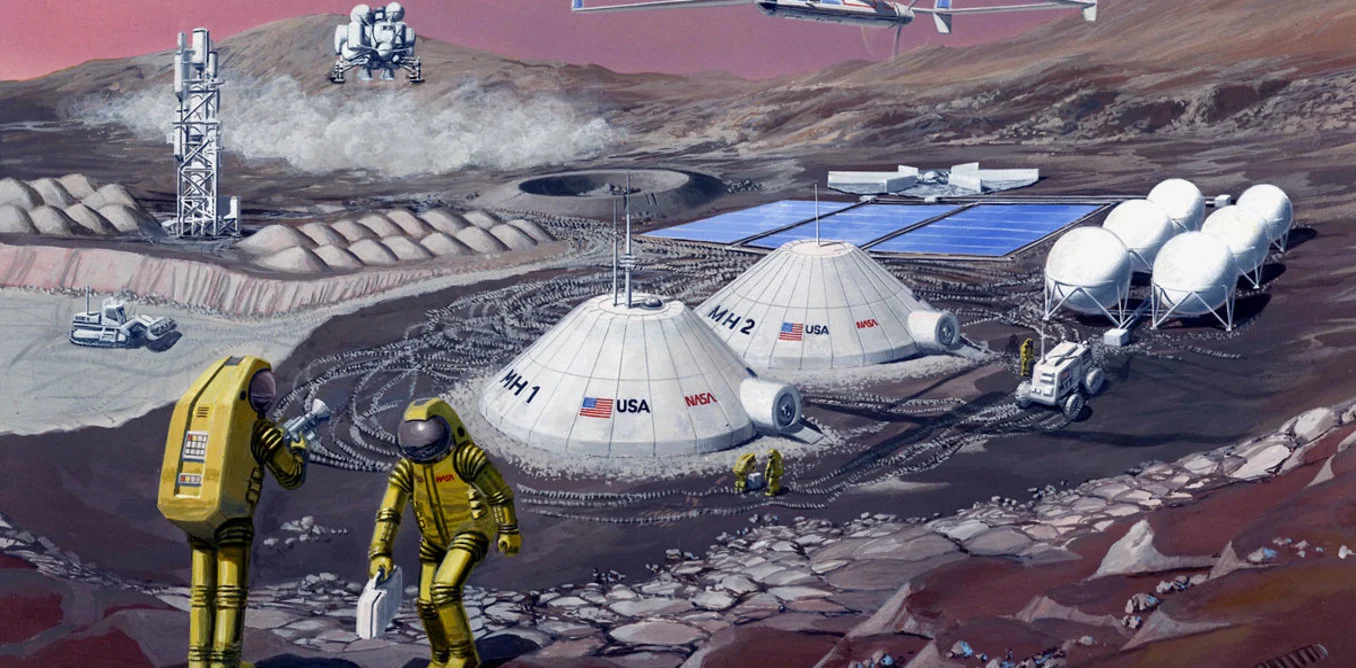
Here’s how we could build a colony on an alien world
How to build a time machine
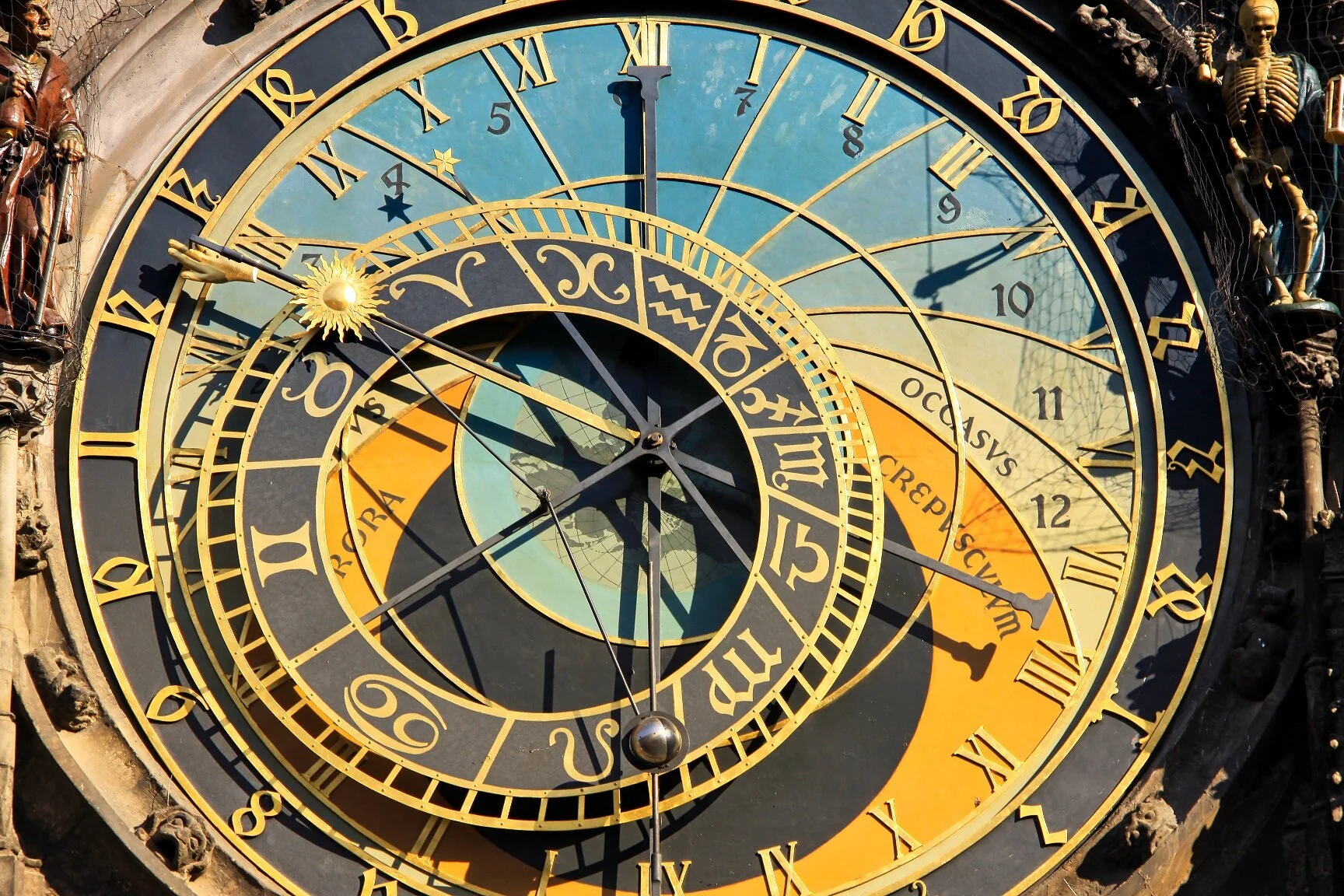
Every now and again, we all indulge in dreams about travelling in time. Wouldn’t it be wonderful to return to that specific point in the past to change a bad decision or relive an experience – those halcyon days of childhood, that night you won an Oscar – or to zip ahead to see how things turn out in the far future.
Explainer: what is the placebo effect and are doctors allowed to prescribe them?

We should work together in the race to mine the solar system
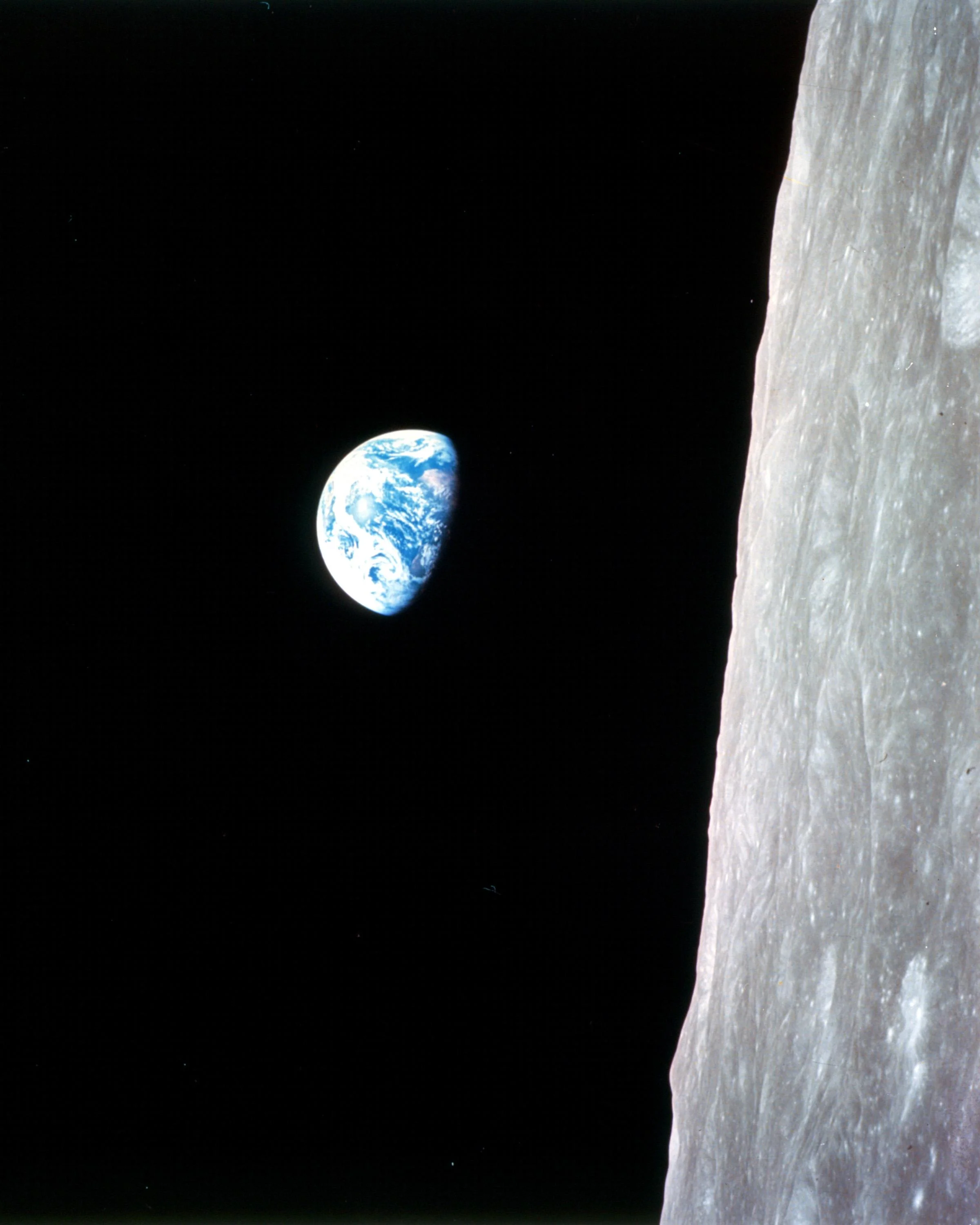
What is time – and why does it move forward?
Imagine time running backwards. People would grow younger instead of older and, after a long life of gradual rejuvenation – unlearning everything they know – they would end as a twinkle in their parents' eyes. That’s time as represented in a novel by science fiction writer Philip K Dick but, surprisingly, time’s direction is also an issue that cosmologists are grappling with.
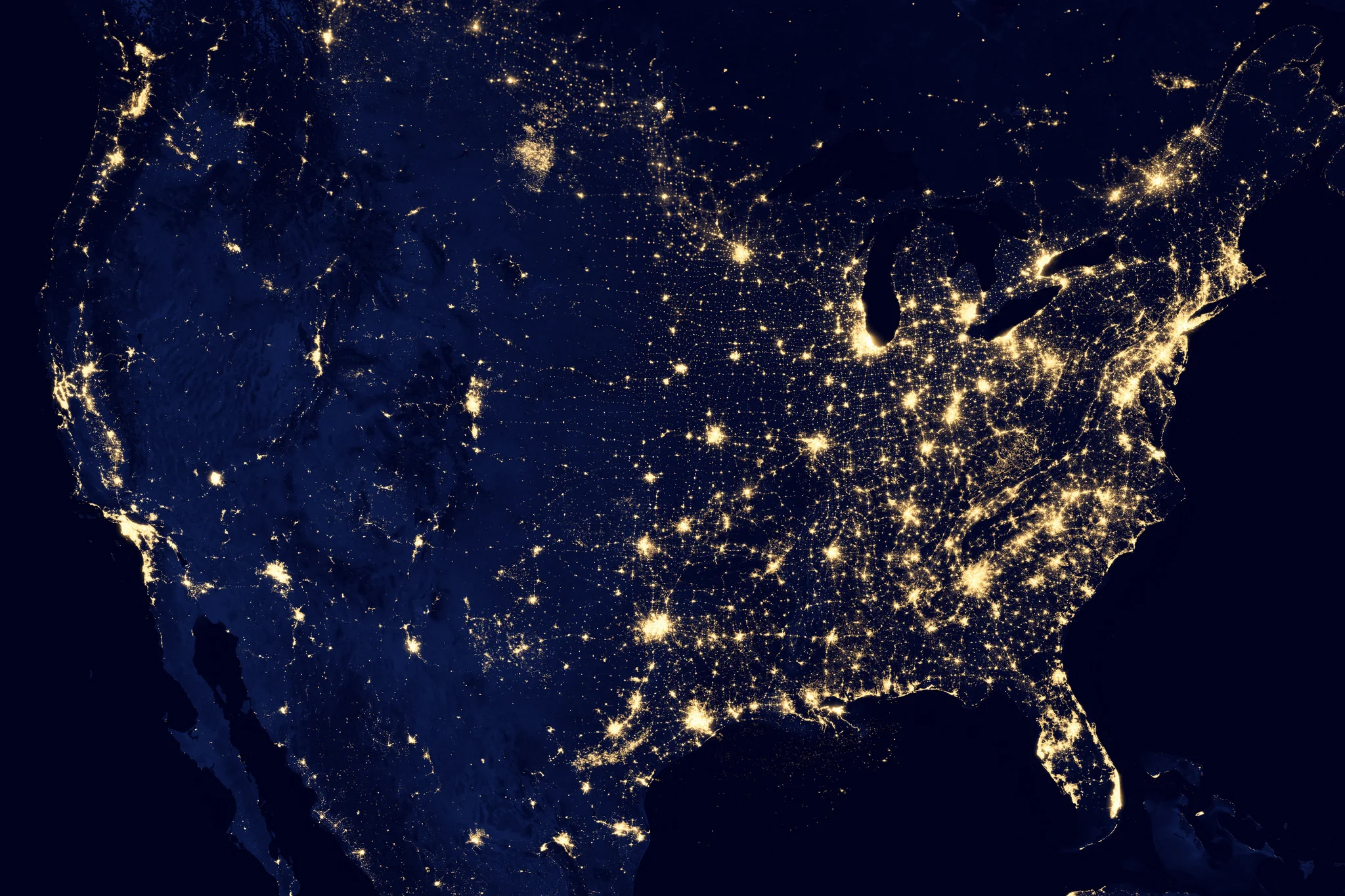
A dark night is good for your health
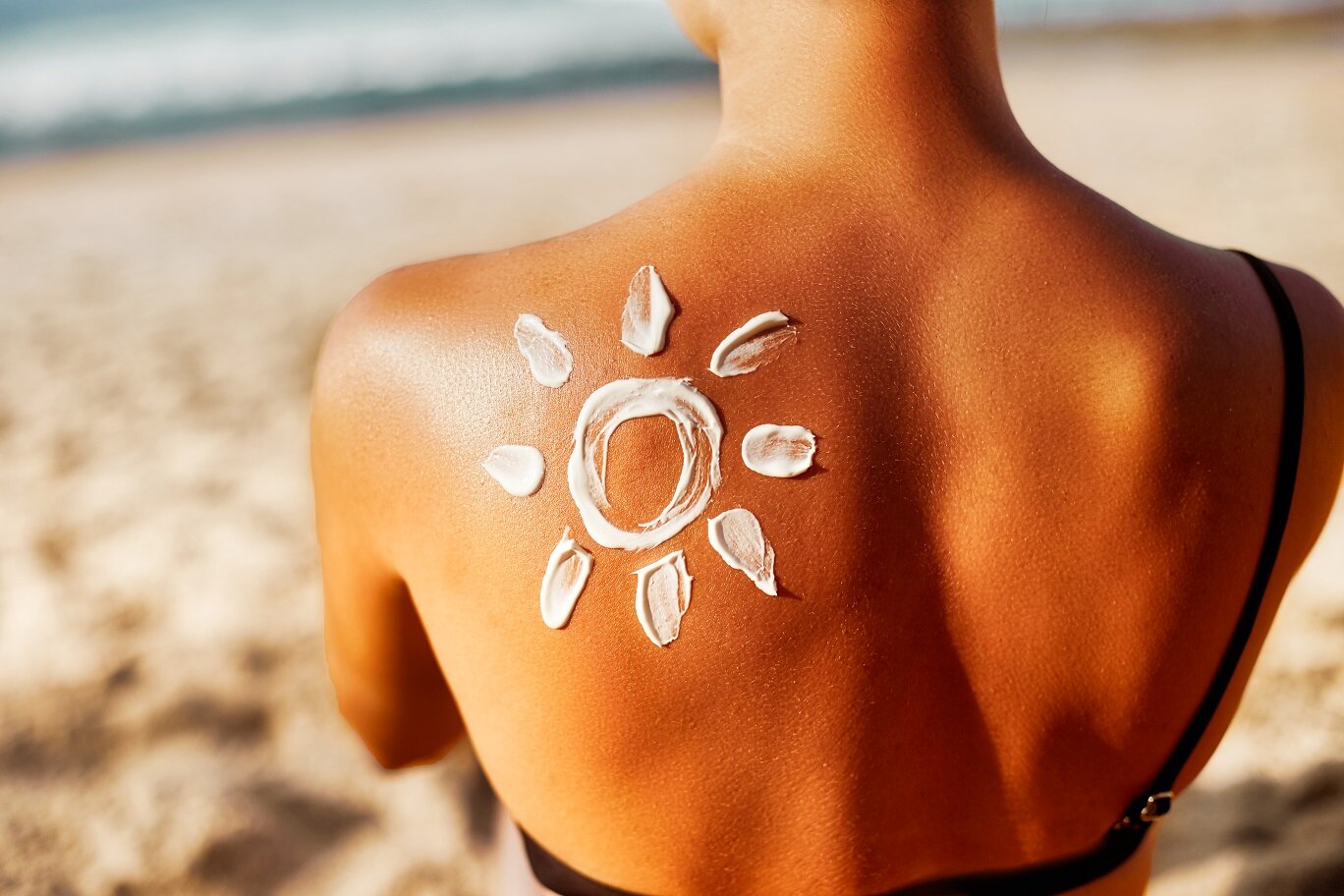
UV radiation: the risks and benefits of a healthy glow
What would happen if Earth fell into a black hole?

Black holes have long been a source of much excitement and intrigue. And interest regarding black holes will surely grow now that gravitational waves have been discovered. Many of the questions I am asked regard how “true” science fiction concerning black holes might be, and whether worm holes, such as those featured in Stargate, are real or not. Invariably though, the one item that is almost assured to come up are the largely gruesome ways in which black holes might theoretically affect human beings and the Earth itself.