
A research team from the University of Nottingham School of Medicine has made a promising discovery by finding a new DNA damage pathway that might be a new lead in cancer research.
Scientists have been researching cancer for a very long time in an attempt to combat this terrible disease. Although the subject matter is very complicated, gradual progress is being made, allowing us to remain hopeful for an eventual cure.
A research team from the University of Nottingham School of Medicine has made one of the most recent promising discoveries by finding a new DNA damage pathway that might be a new lead in cancer research. They published their findings in the prestigious science journal Nature Genetics.
Cells duplicate themselves by copying their DNA. If they lose control over this multiplication process, they can induce cancer. The Nottingham scientists uncovered that DNA can also form hybrids with a chemically altered form of its cousin, RNA (more precisely m6ARNA). This process halts cell division and intensifies DNA damage.
DNA encodes the genetic information in all living organisms by copying this information to RNA, some of which encode proteins. Often this copying process is not complete; hence the RNA does not leave the DNA and forms a composition named RNA/DNA hybrid. The configuration of RNA/DNA hybrids leads to a part of the DNA being vulnerable to attack, resulting in mutations, a hallmark of various diseases, one of which is cancer.
In their research, the scientists discovered the existence of a chemical modification (N6-methyladenosine; m6A) on the RNA part of RNA/DNA hybrids. Although RNA/DNA hybrids have been known for many years, this research shows for the first time that a non-canonical nucleic acid base is present on the RNA part of these RNA/DNA combinations.
David Bates, head of the cancer and stem cell division, stated that they expect the results of their study to have a substantial impact regarding our elemental understanding of cancer biology as genomic instability underlies almost all types of cancer. The findings open up an avenue for new DNA damage therapies, a quickly growing field of cancer drug development.
Although the development of these new therapies might take a while, it is uplifting to see scientists continue to making strives that contribute to the overall fight against cancer.
Sources and further reading: N6-methyladenosine regulates the stability of RNA:DNA hybrids in human cells - RNA - DNA
If you enjoy our selection of content please consider following Universal-Sci on social media:

Researchers determine that flavanols —found in cocoa and a variety of other fruits and vegetables— can increase mental processing speed.

Unintentional shootings of unarmed people sometimes occur because the person wielding a gun instinctively (and incorrectly) assumed that others bear arms too. A team of researchers from Colorado State University conducted an experiment to uncover this so-called 'gun bias'

According to researchers, data from brain implants could predict a seizure several days before they happen

With a growing number of Earth-like exoplanets discovered in recent years, it is becoming increasingly frustrating that we can’t visit them. After all, our knowledge of the planets in our own solar system would be pretty limited if it weren’t for the space probes we’d sent to explore them.
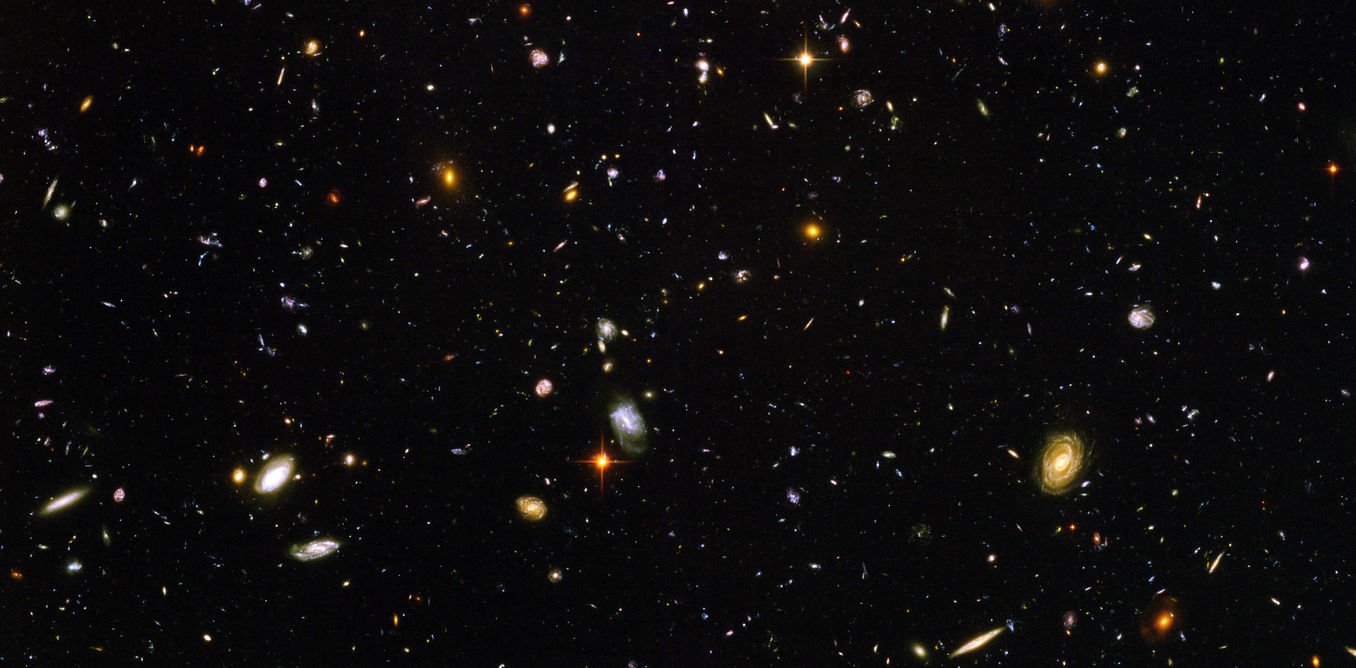
Scientists have long tried to explain the origin of a mysterious, large and anomalously cold region of the sky. In 2015, they came close to figuring it out as a study showed it to be a “supervoid” in which the density of galaxies is much lower than it is in the rest of the universe. However, other studies haven’t managed to replicate the result.

In the past few decades, there has been an explosion in the number of extra-solar planets that have been discovered. As of April 1st, 2018, a total of 3,758 exoplanets have been confirmed in 2,808 systems, with 627 systems having more than one planet. In addition to expanding our knowledge of the Universe, the purpose of this search has been to find evidence of life beyond our Solar System.
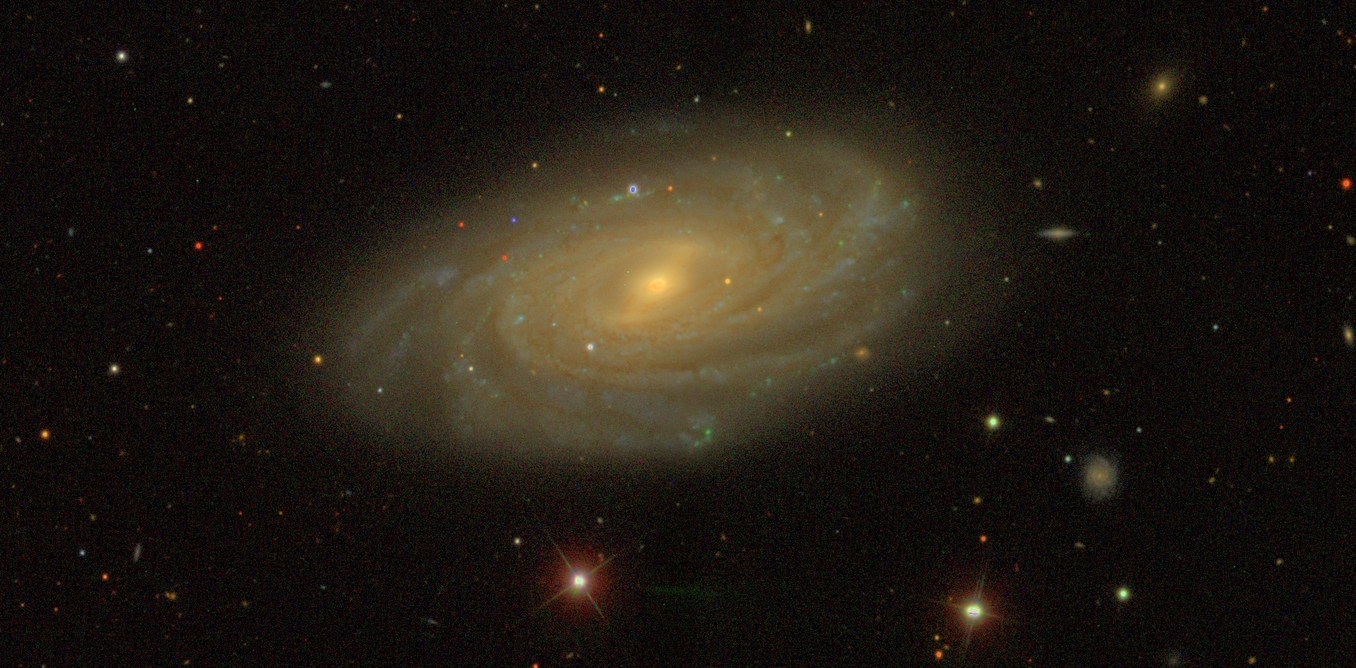
Our own galaxy, the Milky Way, is dotted with fascinating star-forming regions. Some galaxies can produce hundreds of new stars in a single year, and individual galaxies can contain many billions of stars. But why is it that some galaxies stop making new stars?

A team of scientists reviewed the merits of fungi-derived leather substitutes, and the results are promising.

Low energy efficiency is already a major problem for petrol and diesel vehicles. Typically, only 20% of the overall well-to-wheel energy is actually used to power these vehicles. The other 80% is lost through oil extraction, refinement, transport, evaporation, and engine heat. This low energy efficiency is the primary reason why fossil fuel vehicles are emissions-intensive, and relatively expensive to run.

Scientists developed a self-healing material that self-repairs cracks in screens and can potentially even restore damaged functions

The crystalline material makes it possible to store energy for several months, making it ideal for storing excess solar energy in the summer to be used in darker months.

With an estimated lifespan of 400 years, the Greenland shark has just been reported to be the longest-lived vertebrate on the planet. This is only the latest of a series of recent findings that push the boundaries of animal longevity, and it raises the perennial question of what factors enable some animals to achieve what we might call extreme longevity – lifespans that can be measured in centuries.
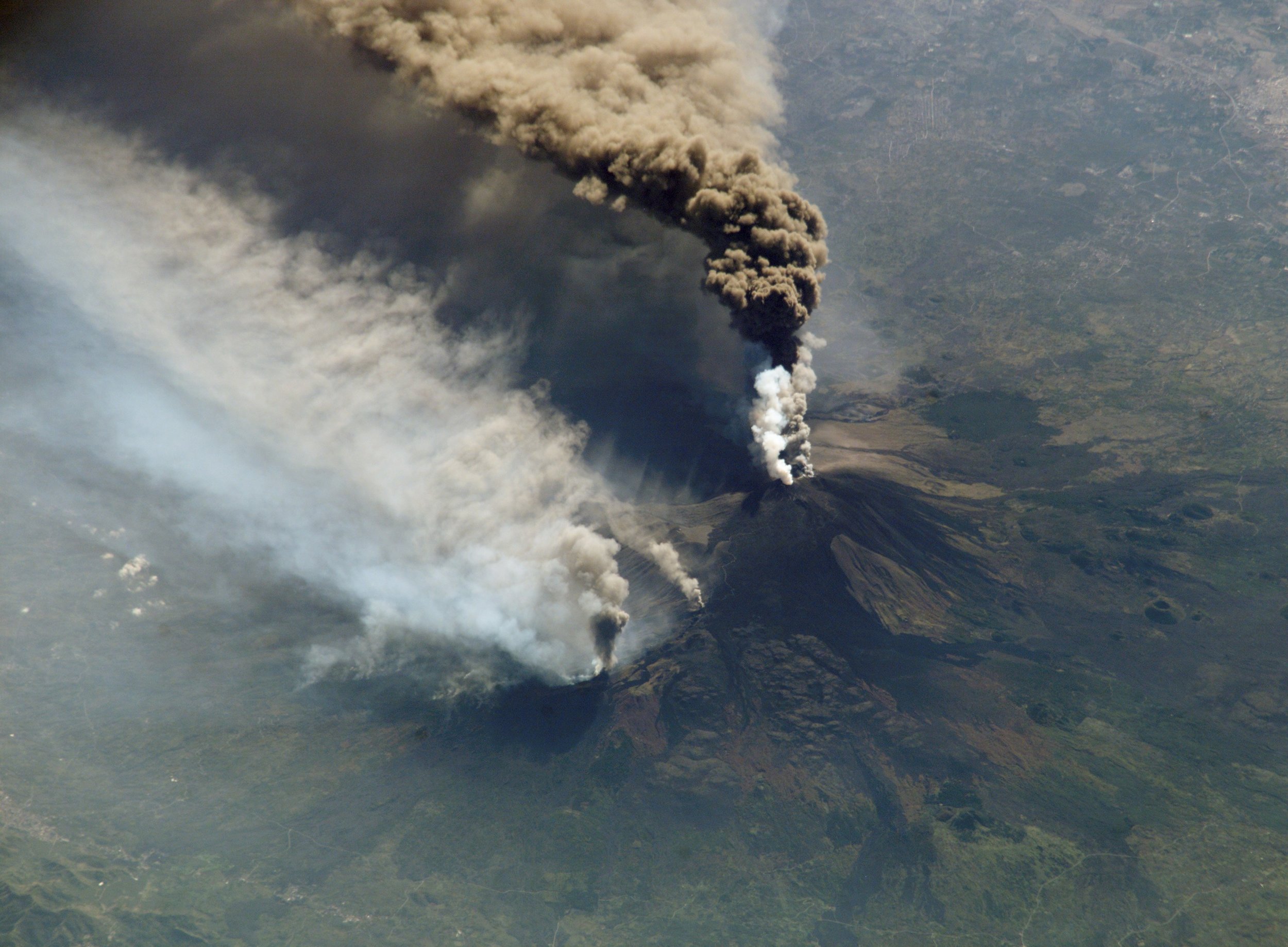
These are the world’s five deadliest volcanoes … and why they’re so dangerous

Scientists working in one of Earth's most extreme habitats, Antarctica, have made some surprising discoveries.

Our cherished banana is in trouble, but scientists are on the case to find its saving grace. A new scientific expedition uncovered wild species with features that might safeguard its future.
Many people wonder why they’re not losing weight when they follow a strict diet and exercise routine.