

Most scientists agree that the Earth has pretty much always had its moon. Details of the moon’s composition (in particular the “isotopic mixture” of heavier and lighter versions of various elements) are too similar to the Earth’s for it to have been captured from somewhere remote. However, some compositional details differ enough to rule out the idea that the moon is simply a chunk of the Earth that broke loose.
The moon is still geologically active, study suggests
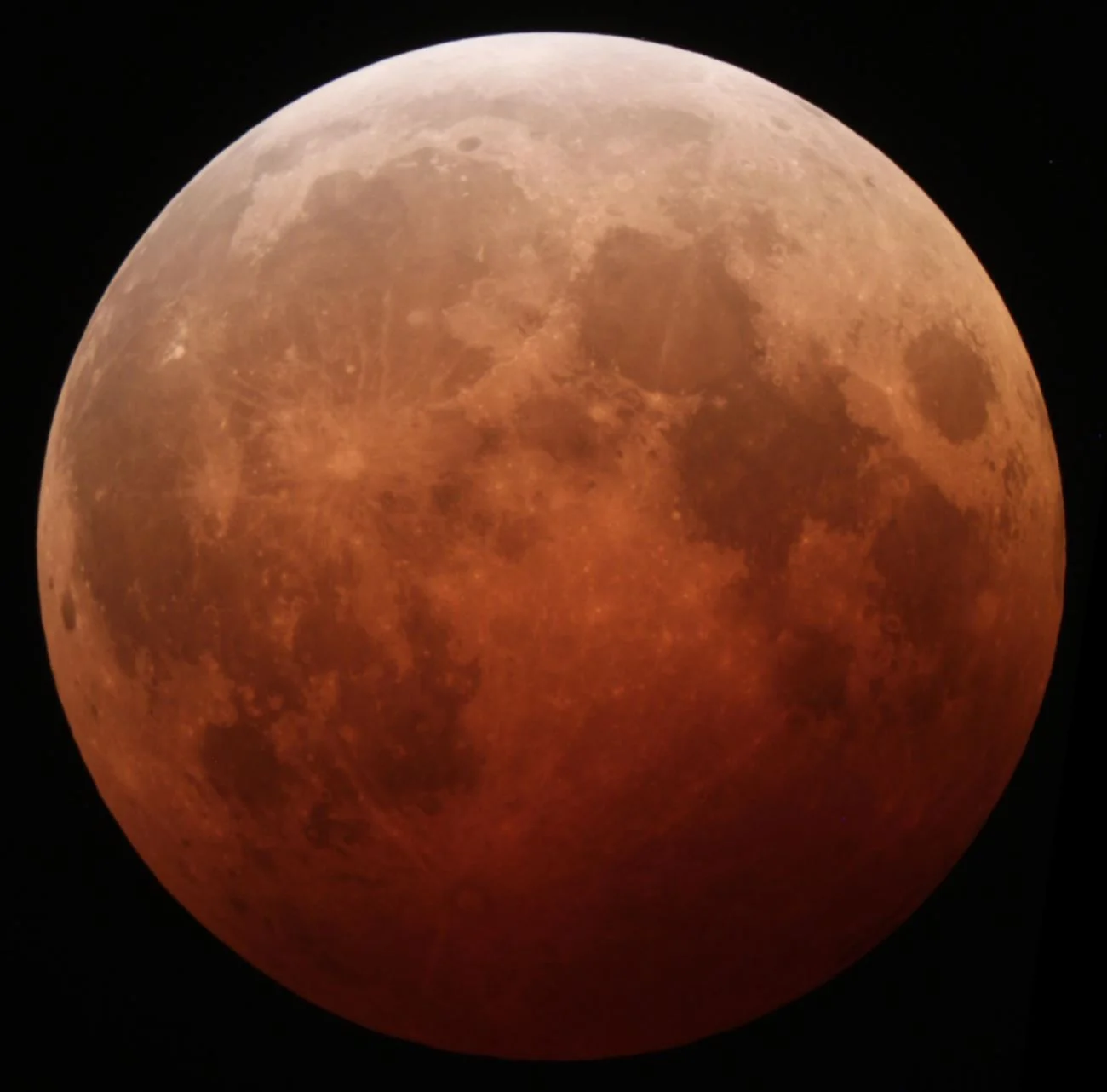
We tend to think of the moon as the archetypal “dead” world. Not only is there no life, almost all its volcanic activity died out billions of years ago. Even the youngest lunar lava is old enough to have become scarred by numerous impact craters that have been collected over the aeons as cosmic debris crashed into the ground.
How many of earth’s moons crashed back into the planet?

For decades, scientists have pondered how Earth acquired its only satellite, the Moon. Whereas some have argued that it formed from material lost by Earth due to centrifugal force, or was captured by Earth’s gravity, the most widely accepted theory is that the Moon formed roughly 4.5 billion years ago when a Mars-sized object (named Theia) collided with a proto-Earth (aka. the Giant Impact Hypothesis).