Environment

NASA Balloon Mission Captures Electric Blue Clouds

NASA Balloon Mission Captures Electric Blue Clouds

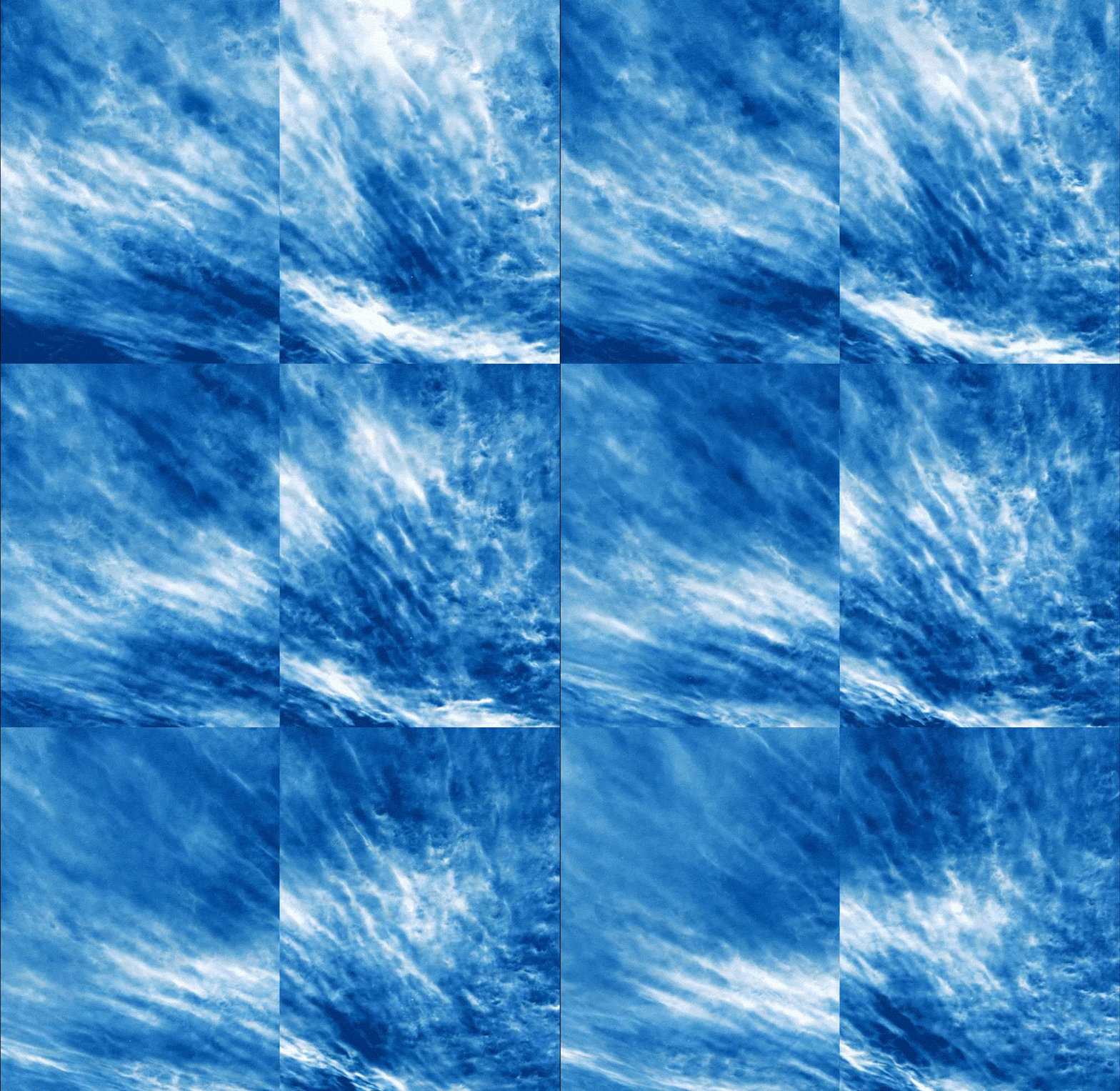
On the cusp of our atmosphere live a thin group of seasonal electric blue clouds. Forming 50 miles above the poles in summer, these clouds are known as noctilucent clouds or polar mesospheric clouds — PMCs. A recent NASA long-duration balloon mission observed these clouds over the course of five days at their home in the mesosphere. The resulting photos, which scientists have just begun to analyze, will help us better understand turbulence in the atmosphere, as well as in oceans, lakes and other planetary atmospheres, and may even improve weather forecasting.

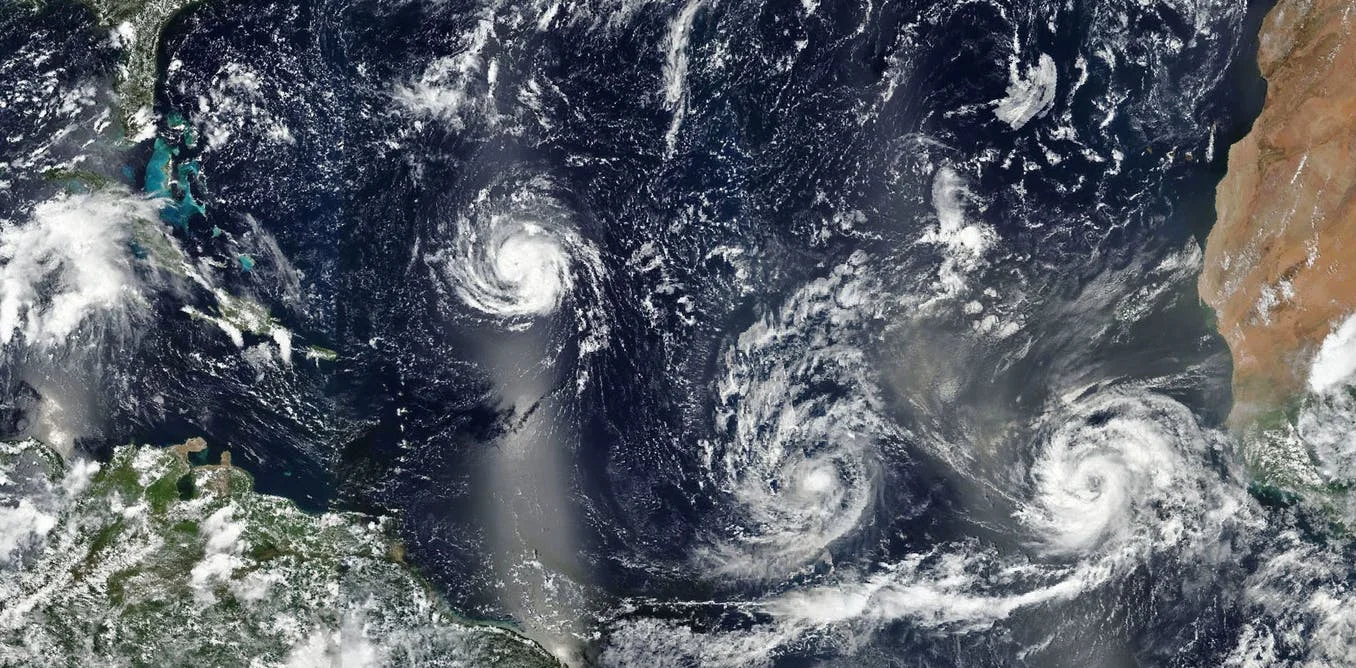
Rogue hurricanes that head northwards may be new normal

Rogue hurricanes that head northwards may be new normal

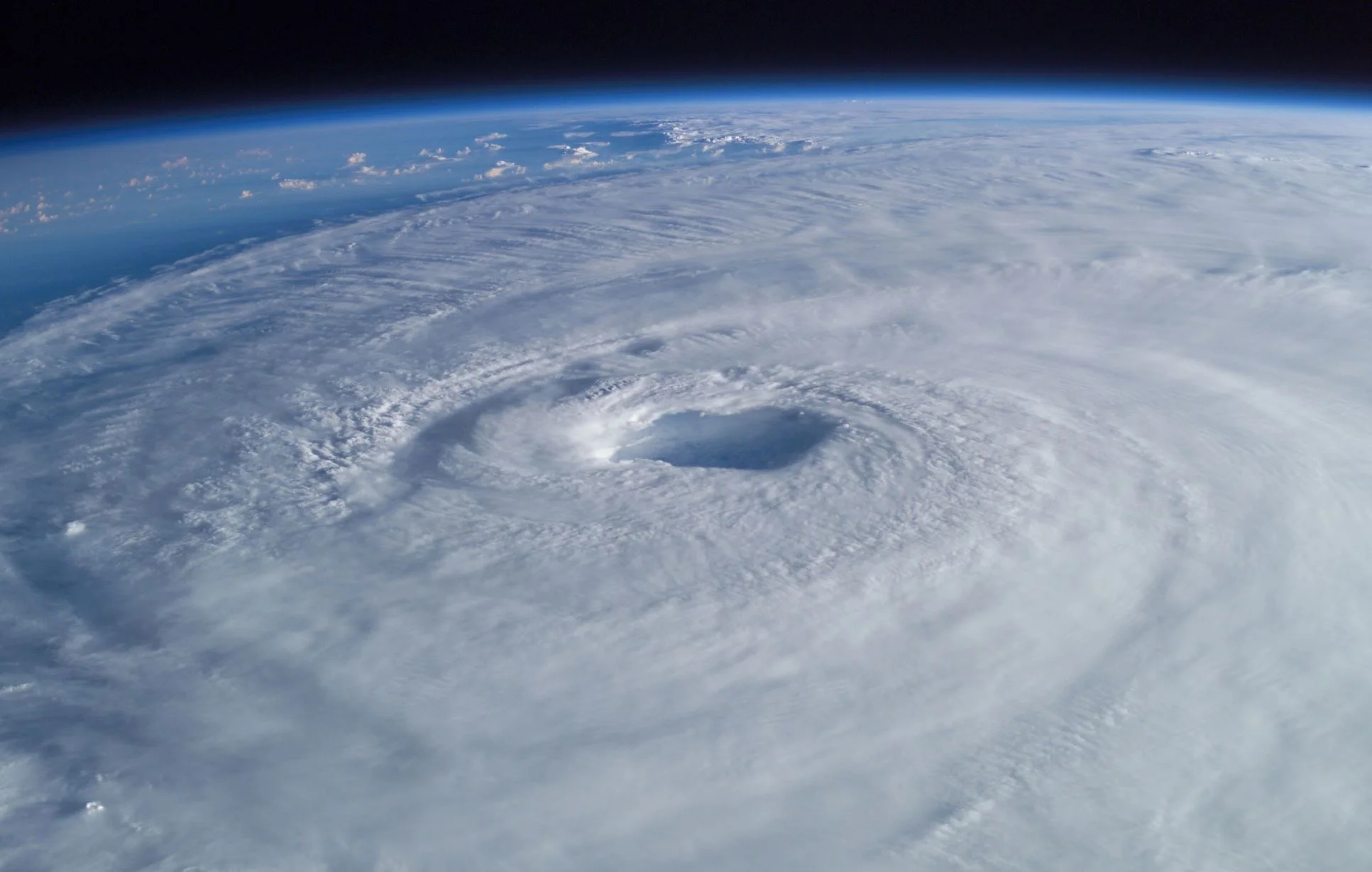
Shortly after Hurricane Helene formed off the coast of West Africa on September 7, it did something unusual. Instead of following most hurricanes westward across the Atlantic, Helene turned north towards the UK and Ireland. Now downgraded to an “ex-hurricane”, Storm Helene is nonetheless expected to bring strong winds across much of England and Wales when it hits on September 17.

Massive solar and wind farms could bring vegetation back to the Sahara

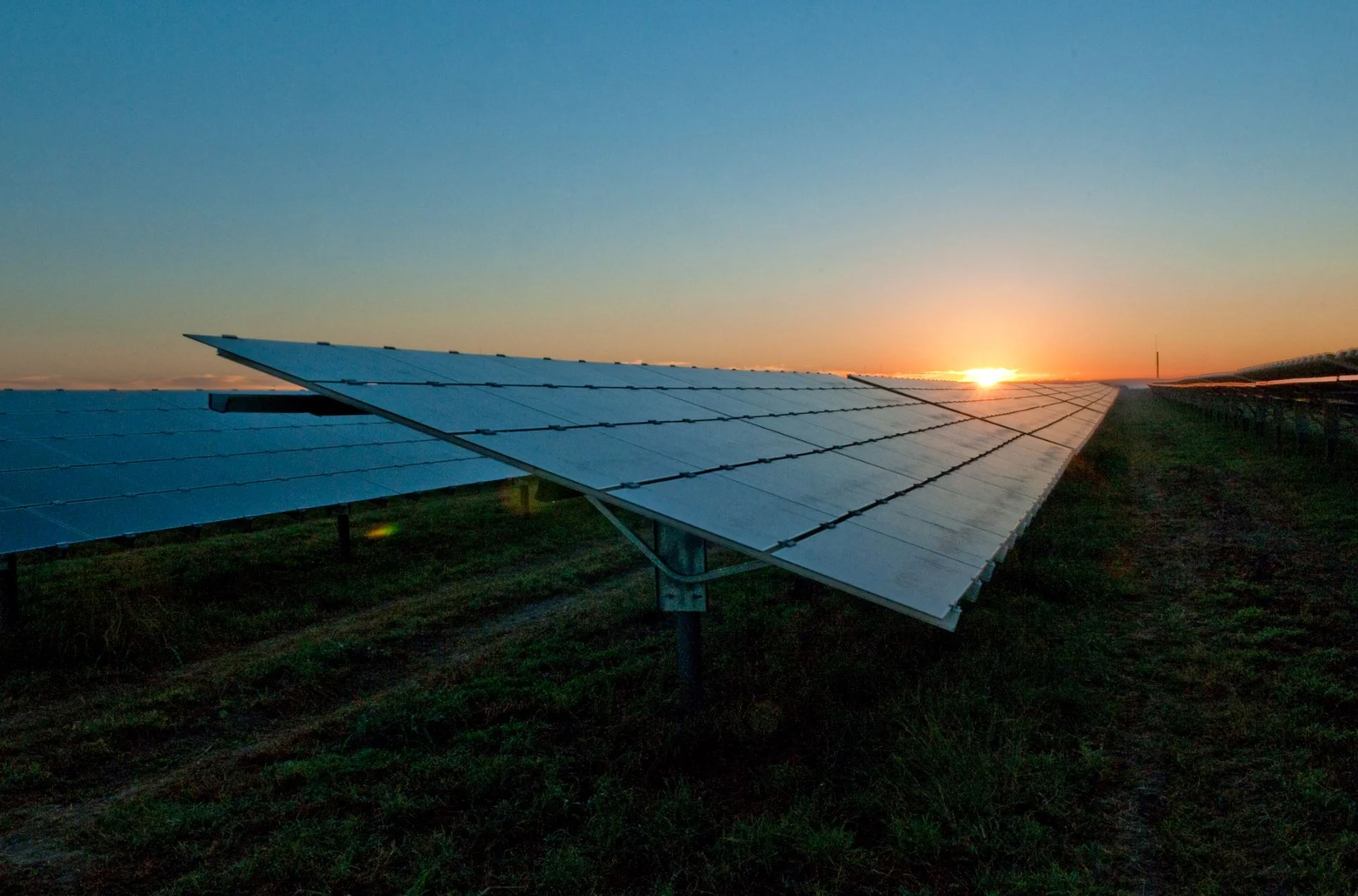
Switching from fossil fuels to renewable energy is an important and necessary step towards averting climate change. However, in our efforts to go green, we also need to be mindful of other consequences, both intended and unintended – and that includes how a mass deployment of renewable technology might affect its surrounding climate.

Hothouse Earth: our planet has been here before – here’s what it looked like

Hothouse Earth: our planet has been here before – here’s what it looked like

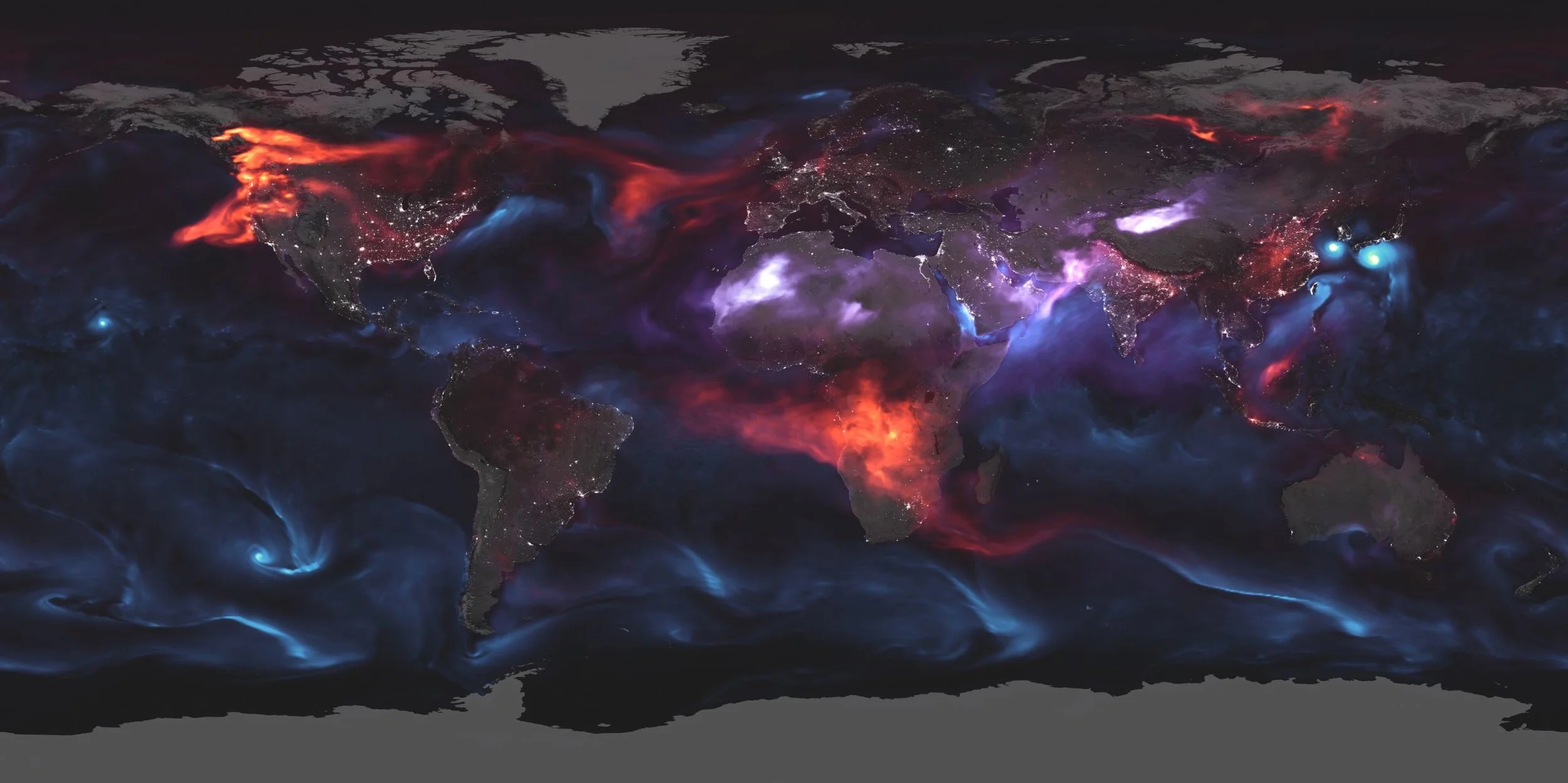
Even if carbon emissions are reduced to hold temperature rises at the 2°C guardrail of the Paris Agreement, changes already afoot in the environment such as melting permafrost and forest die-back could accelerate warming well into the future, potentially pushing our planet into what is being called a “Hothouse Earth” state.

As more solar and wind come onto the grid, prices go down but new questions come up

As more solar and wind come onto the grid, prices go down but new questions come up

Wind and solar energy are growing rapidly in the U.S. As these energy sources become a bigger part of the electricity mix, their growth raises new questions: How do solar and wind influence energy prices? And since power plants last for decades, what should policymakers and investors think about to ensure that investments in power infrastructure pay off in the future?