Environment

Huge Cavity in Antarctic Glacier Signals Rapid Decay

Huge Cavity in Antarctic Glacier Signals Rapid Decay

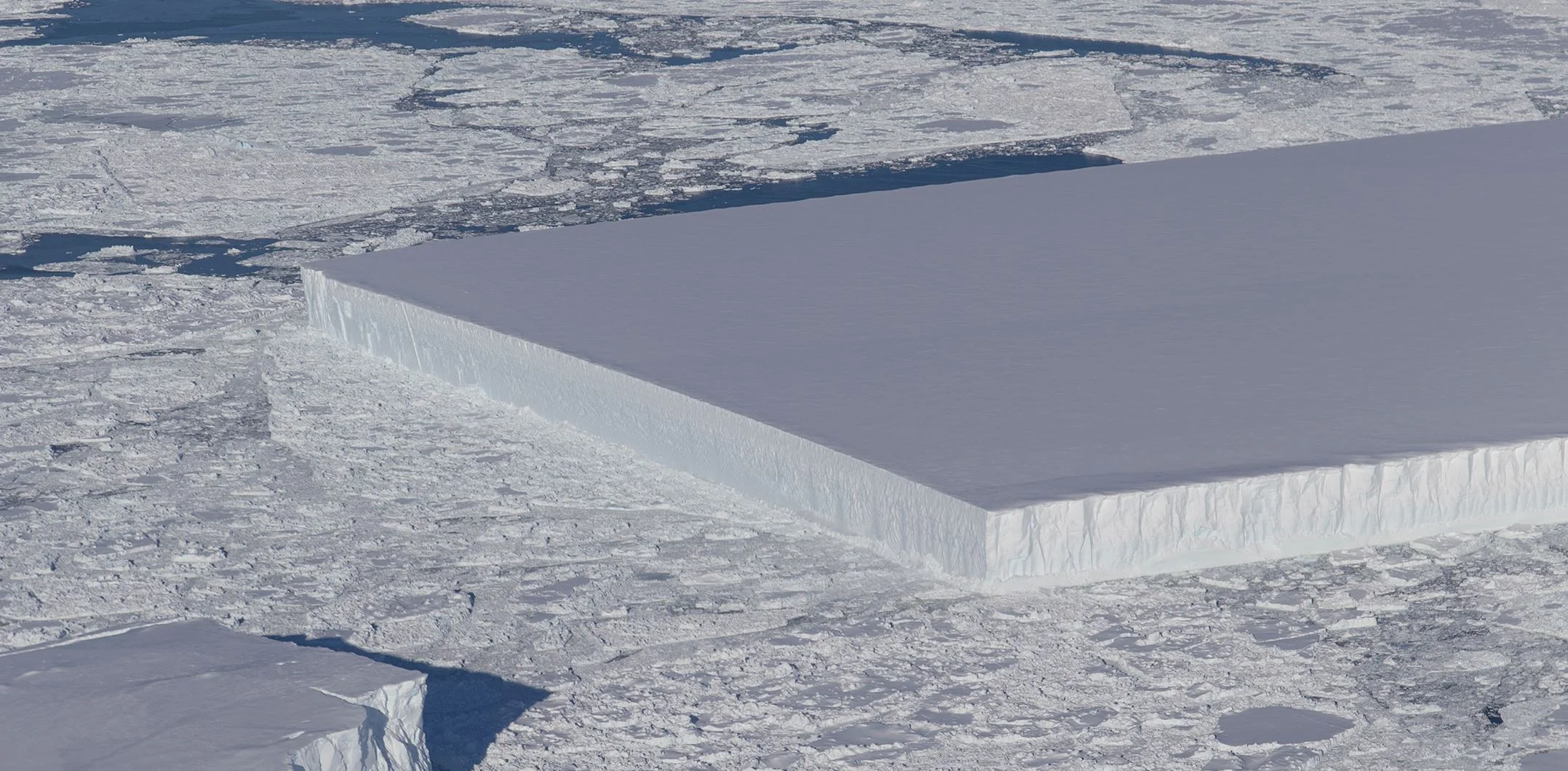
A gigantic cavity — two-thirds the area of Manhattan and almost 1,000 feet (300 meters) tall — growing at the bottom of Thwaites Glacier in West Antarctica is one of several disturbing discoveries reported in a new NASA-led study of the disintegrating glacier. The findings highlight the need for detailed observations of Antarctic glaciers' undersides in calculating how fast global sea levels will rise in response to climate change.
Coffee: 60% of wild species are at risk of extinction due to climate change

Coffee: 60% of wild species are at risk of extinction due to climate change

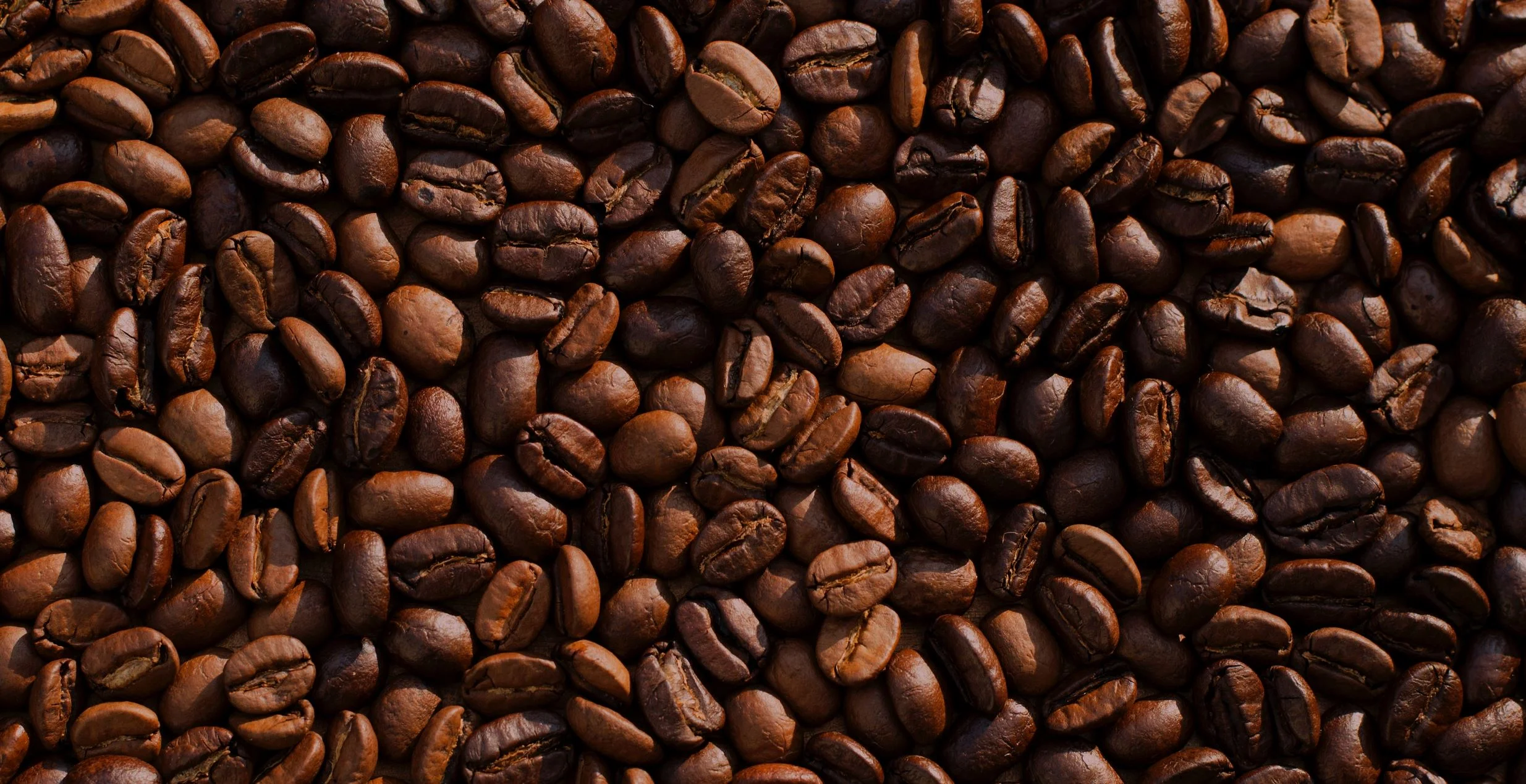
Is your morning coffee an espresso or a skinny latte? Is it from a darkly roasted French or Italian blend? If it’s a high quality brew, it’s almost certainly made with beans from the Arabica species (Coffea arabica), which is known for its finer flavours. Examples would be Javan coffees, Ethiopian sidamo, and the expensive Jamaican blue mountain.

Improved crops can double agricultural production, providing future generation with food and resources

Improved crops can double agricultural production, providing future generation with food and resources

Wageningen University & Research is working on a road-map to future-proof crops as part of EU-project CropBooster-P. Future crop yields will increase with optimal use of water and minerals. In addition to that nutritional value and crop quality are high on the list of targets. To feed a future population of 10 billion people and alleviate climate change these new crops need to eventually double the total world wilde food production. The great news that has been scientifically proven to be possible.

Air pollution may be making us less intelligent

Air pollution may be making us less intelligent

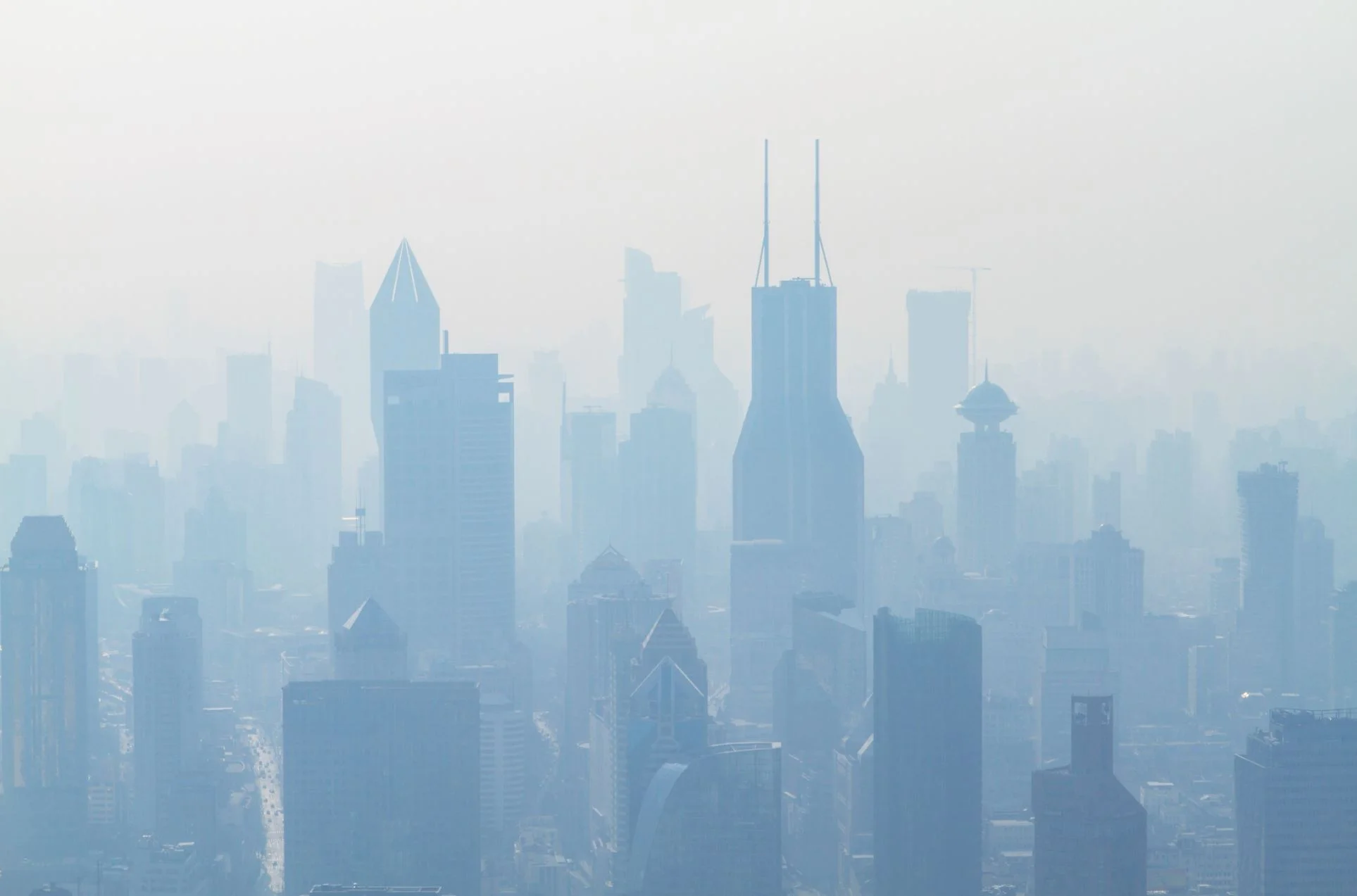
Not only is air pollution bad for our lungs and heart, it turns out it could actually be making us less intelligent, too. A recent study found that in elderly people living in China, long-term exposure to air pollution may hinder cognitive performance (things like our ability to pay attention, to recall past knowledge and generate new information) in verbal and maths tests. As people age, the link between air pollution and their mental decline becomes stronger. The study also found men and less educated people were especially at risk, though the reason why is currently unknown.

Curious Kids: what would happen if the Earth’s core went cold?

Curious Kids: what would happen if the Earth’s core went cold?

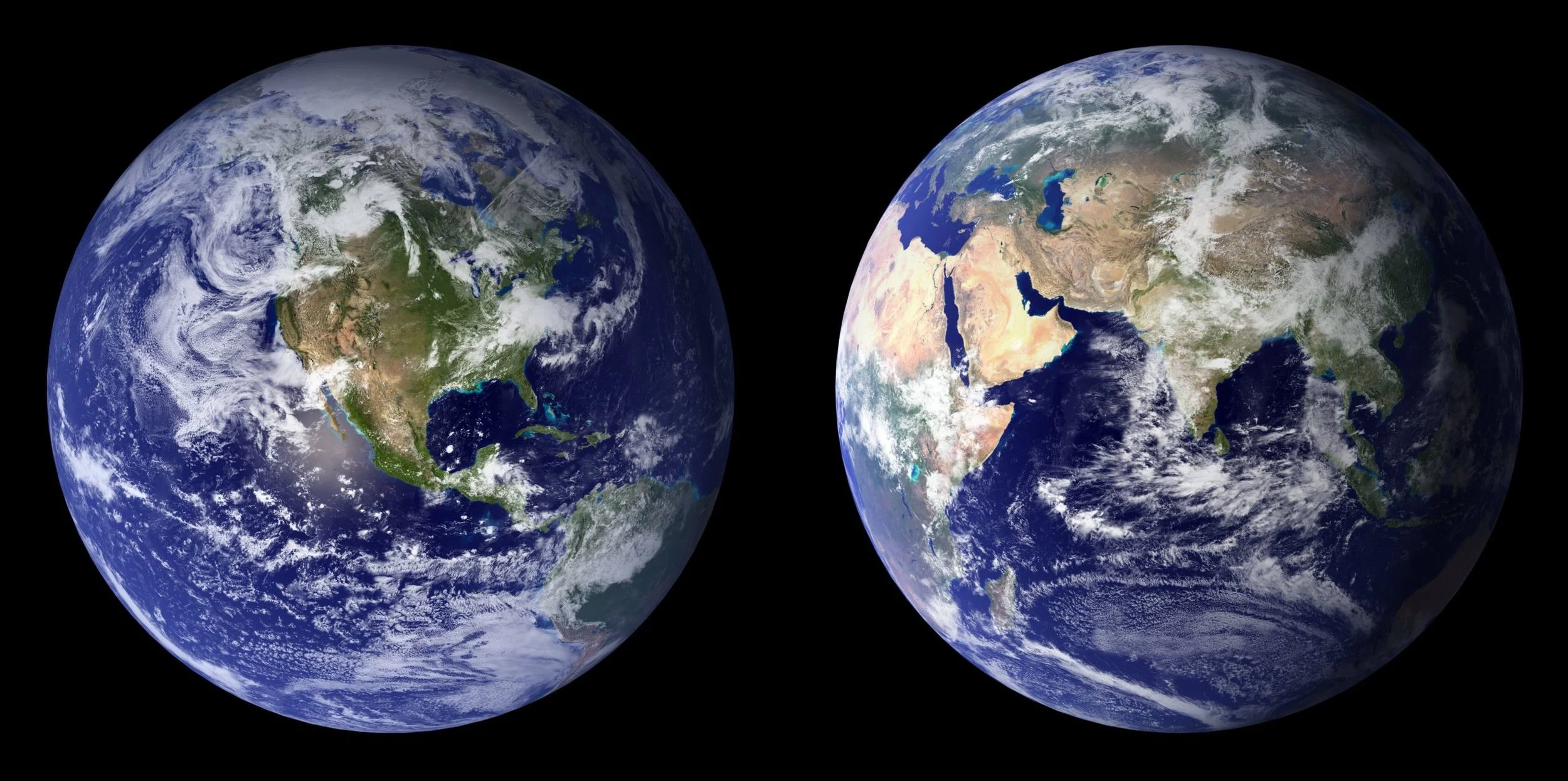
The Earth’s core is cooling down very slowly over time. One day, when the core has completely cooled and become solid, it will have a huge impact on the whole planet. Scientists think that when that happens, Earth might be a bit like Mars, with a very thin atmosphere and no more volcanoes or earthquakes. Then it would be very difficult for life to survive – but that won’t be a problem for several billions of years

No Safety Driver Here—Volvo’s Driverless Truck Cuts the Cab

Each time there’s a headline about driverless trucking technology, another piece is taken out of the old equation. First, an Uber/Otto truck’s safety driver went hands-off once the truck reached the highway (and said truck successfully delivered its valuable cargo of 50,000 beers). Then, Starsky Robotics announced its trucks would start making autonomous deliveries without a human in the vehicle at all.

What planet Earth might look like when the next supercontinent forms – four scenarios

What planet Earth might look like when the next supercontinent forms – four scenarios

The outer layer of the Earth, the solid crust we walk on, is made up of broken pieces, much like the shell of a broken egg. These pieces, the tectontic plates, move around the planet at speeds of a few centimetres per year. Every so often they come together and combine into a supercontinent, which remains for a few hundred million years before breaking up. The plates then disperse or scatter and move away from each other, until they eventually – after another 400-600 million years – come back together again.

2018 Arctic Summertime Sea Ice Minimum Extent Tied for Sixth Lowest on Record

2018 Arctic Summertime Sea Ice Minimum Extent Tied for Sixth Lowest on Record

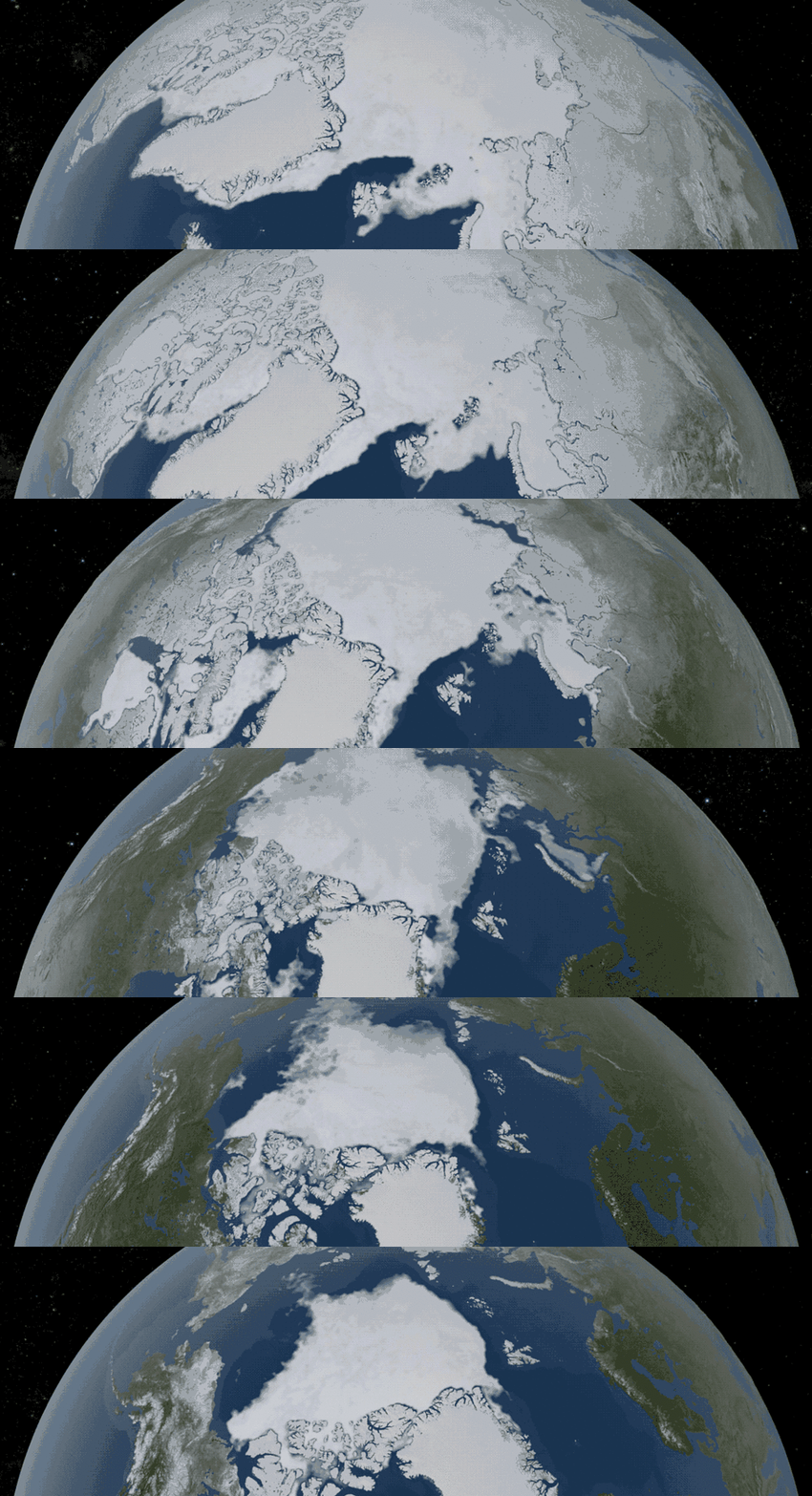
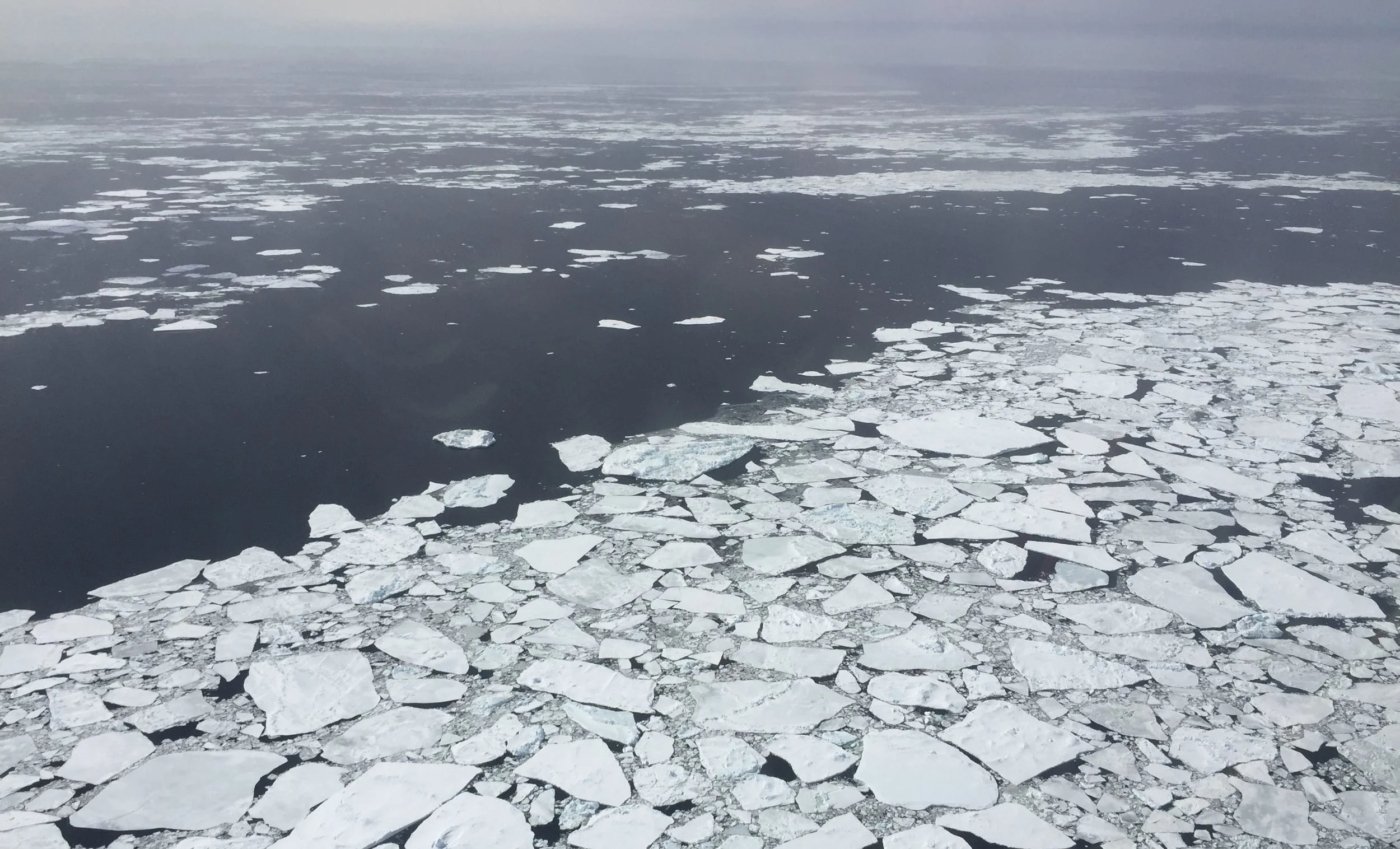
Arctic sea ice likely reached its 2018 lowest extent on Sept. 19 and again on Sept. 23, according to NASA and the NASA-supported National Snow and Ice Data Center (NSIDC) at the University of Colorado Boulder. Analysis of satellite data by NSIDC and NASA showed that, at 1.77 million square miles (4.59 million square kilometers), 2018 effectively tied with 2008 and 2010 for the sixth lowest summertime minimum extent in the satellite record.