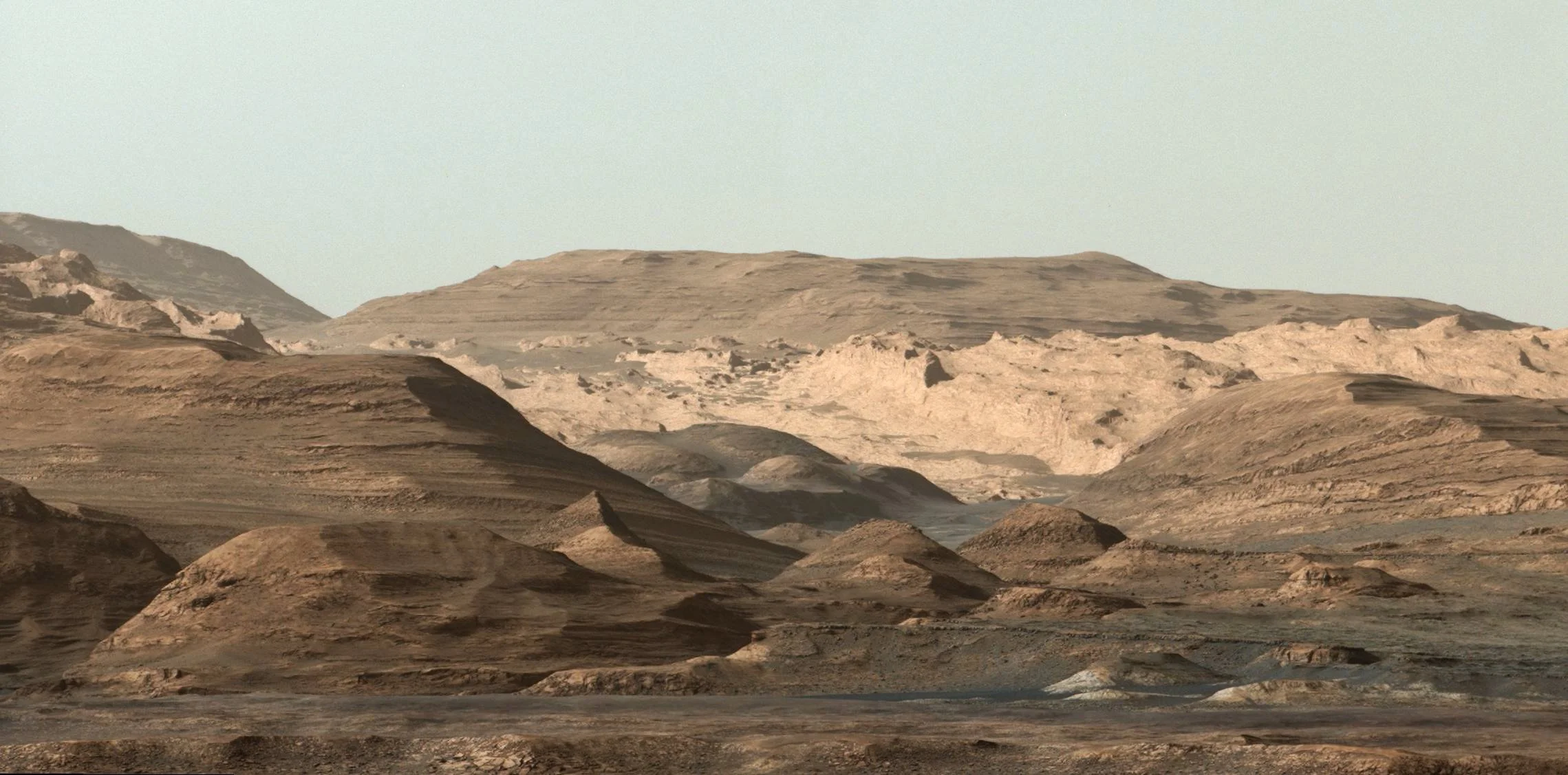
What changed Mars from a potentially habitable world into the barren planet we see today? Scientists at the University of Chicago have taken a significant step toward understanding this mystery.

The Moon’s south pole may be hiding more than ancient darkness. New research suggests its frozen secrets were not created in a single cosmic event, but shaped slowly over billions of years. Some craters kept far more than others, and the reason may change where future lunar explorers search first.
Planetary rovers may seem like bold explorers, but in reality they work under tight limits. On Mars, even simple instructions take minutes to arrive, so every move must be planned carefully. That keeps missions safe, but it also raises a question: if robots move slowly and stop often, how much of another world can we really study?


