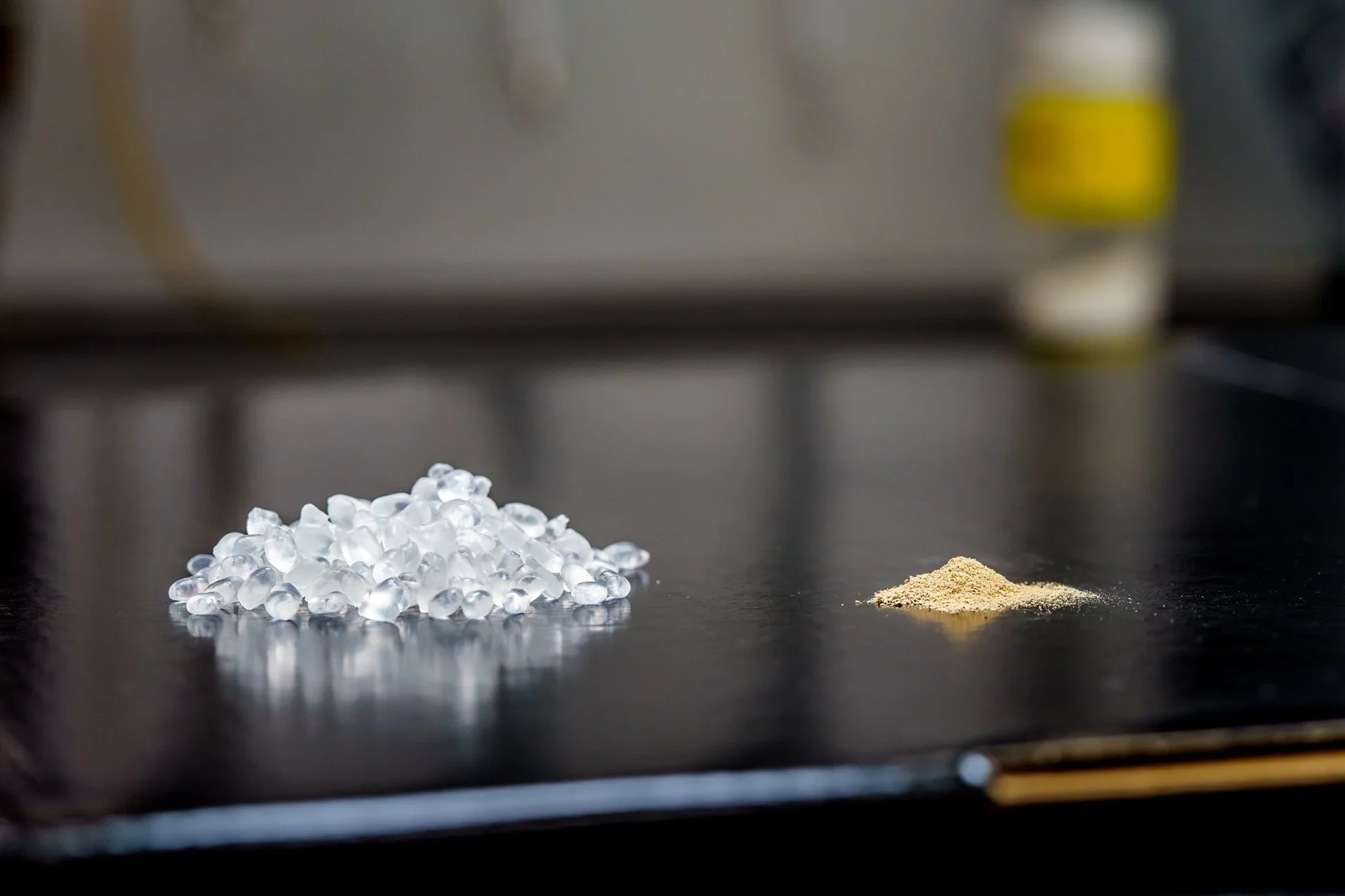
For most fungi, the human body is simply too warm. Yet Candida auris, a yeast first identified in a patient’s ear in Japan in 2009, grows readily at body temperature. Within a few years, it had turned up on several continents. What helped this fungus clear a hurdle that keeps so many others from making us sick?
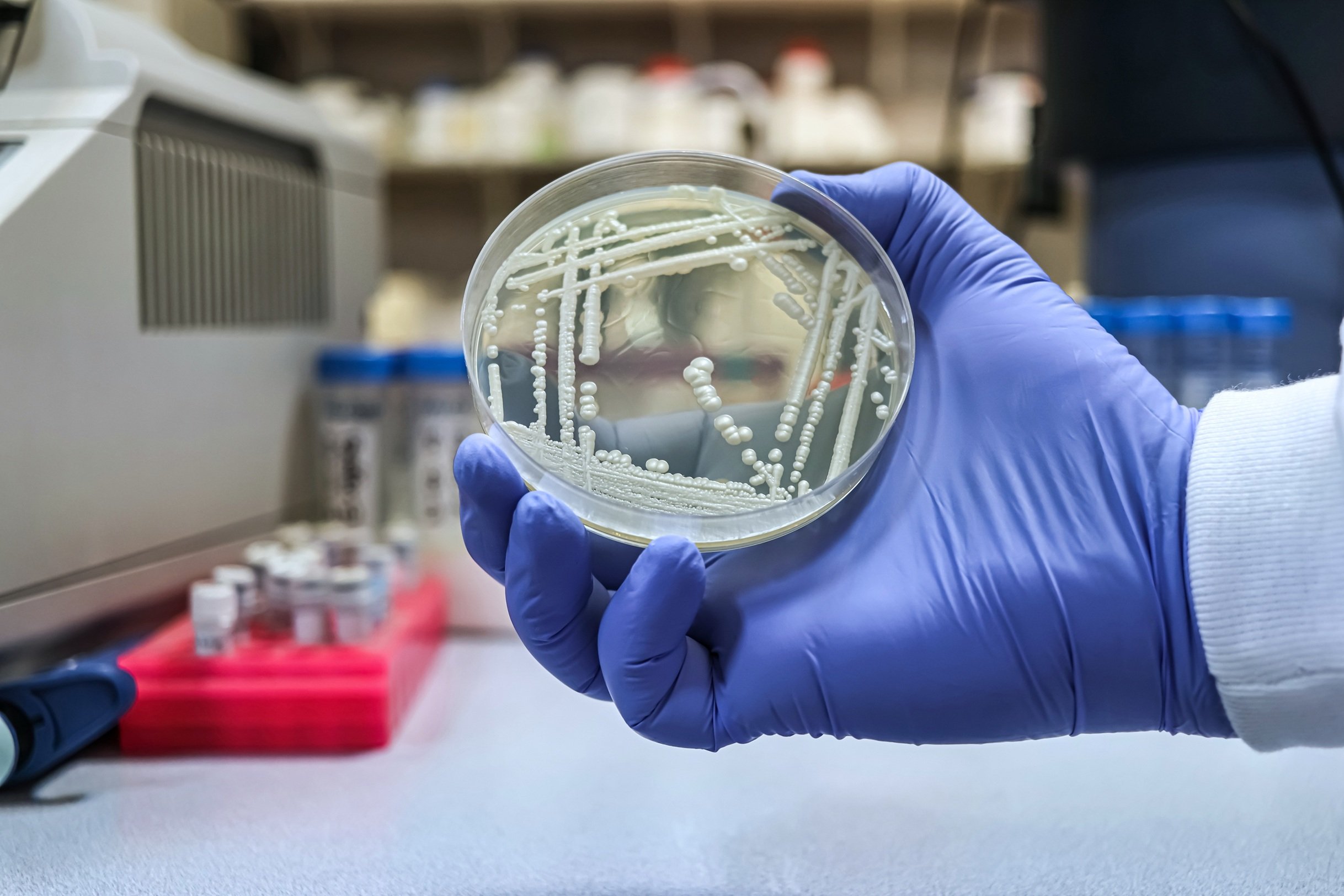
Candida auris - (Image Credit: TopMicrobialStock via Shutterstrock / HDR tune by Universal-Sci)
What can a patient’s temperature tell us?
Of the estimated three to five million species of fungi on Earth, only a few hundred can infect people. “This is partly because most fungi cannot grow at a body temperature of 37 degrees Celsius,” says Carla Schuh of the University of Würzburg. Candida auris grows easily at 37 degrees and can withstand temperatures as high as 47 degrees Celsius, well beyond what its closest relatives can tolerate.
That unusual heat tolerance caught the attention of Schuh and her colleague Chaitanya Gokhale. In a review of around 180 studies published in the journal mSphere, they considered a possibility. As the climate warmed, the yeast may have adapted to higher temperatures in its surroundings. If so, the same change could have allowed it to grow inside a person.
Why did different strains appear at much the same time?
One clue came from the timing of discoveries on different continents. Researchers found genetically distinct strains of Candida auris in several parts of the world at around the same time. According to Schuh and Gokhale, that pattern suggests something may have been pushing the fungus to adapt in different places at once. A warming climate could fit that picture, though the review doesn’t establish that warming caused the yeast to become infectious.
A missing piece is where the fungus originally lived. Researchers have suggested coastal areas, wetlands or other salty environments, but its original habitat remains unknown. They’re also considering other ways people have changed the fungus’s surroundings, including the use of chemicals to control fungi on farms.

Where could the next warning come from?
Whatever helped Candida auris emerge, the consequences are already visible in hospitals. The yeast can survive on surfaces for long periods and often resists several antifungal drugs. It poses a particular danger to people with weakened immune systems. Across the studies reviewed, between 20 and 67 per cent of patients with a Candida auris bloodstream infection died.
Many researchers whose work the review examined want to look for signs of emerging fungal threats in soil, water and air as well as in hospitals. They suggest that models could help identify which species deserve a closer watch. Comparing what turns up in the environment with what doctors see in patients could give researchers a chance to spot a threat before a major outbreak.
Scientists still don’t know exactly how Candida auris acquired the ability to thrive at body temperature. Finding out where other fungi live and how they respond to heat could help answer that question while there’s still time to act on the next one.
If you are interested in more details about underlying research, be sure to check out the article published in the peer-reviewed journal listed below.
Sources and further reading:
Candidozyma auris (Candida auris) as a harbinger of novel fungal pathogen - (mSphere)
The Plague still seems to affect our health almost 700 years after its outbreak (Universal-Sci)
How Mushrooms Keep Themselves Cool With Built-In Air Conditioning (Universal-Sci)
The next 'pandemic' is antibiotic resistance, a ticking time bomb, and we are doing nothing to stop it - (Universal-Sci)
Coffee: 60% of wild species are at risk of extinction due to climate change (Universal-Sci)
Farming in the Arctic: It's Closer Than You Think (Universal-Sci)
A 500-Year Forecast: Boreal Forests and Tundra Regions to Suffer Most from Climate Change - (Universal-Sci)

Too busy to follow science news during the week? - Consider subscribing to our (free) newsletter - (Universal-Sci Weekly) - and get the 5 most interesting science articles of the week in your inbox
FEATURED ARTICLES: