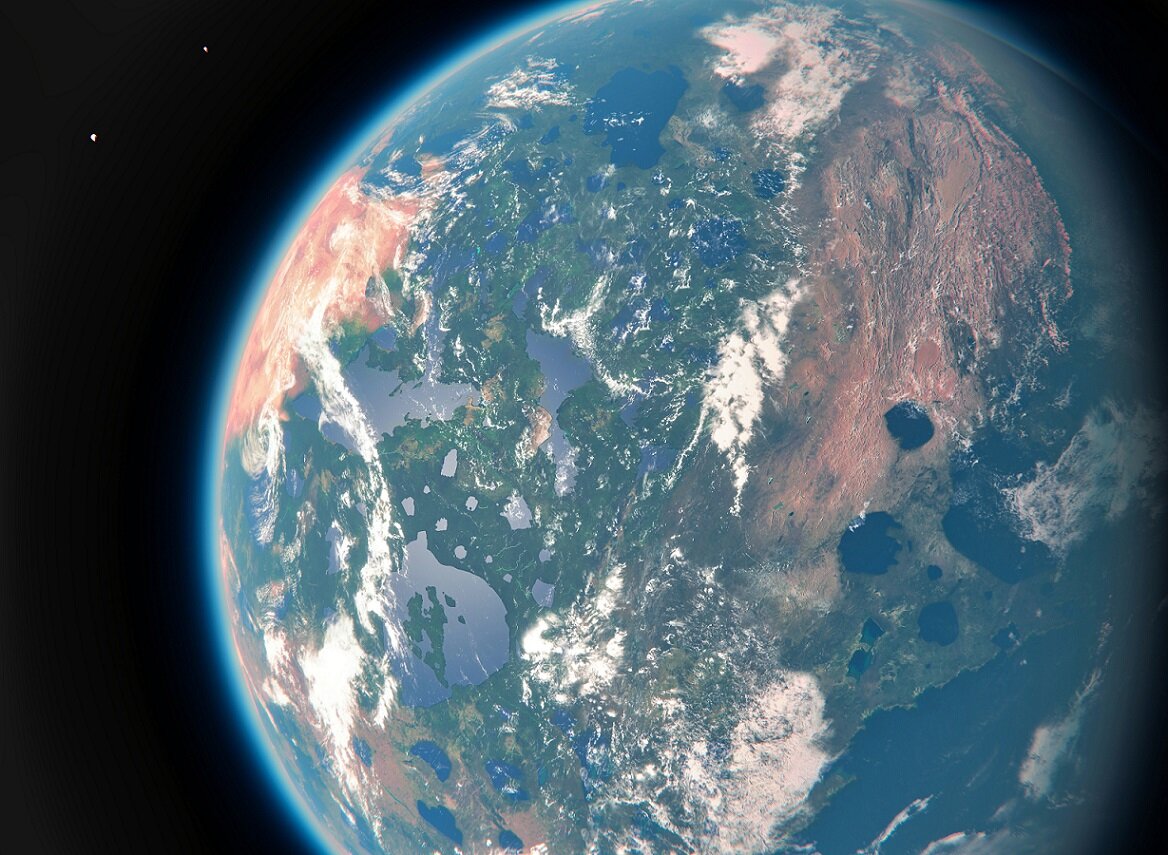
A brilliant star in our nearest galactic neighbor didn’t go out with a bang, it simply faded from sight, leaving scientists to piece together what could make something so massive vanish so quietly.
A long-running study of more than 131,000 adults links moderate caffeinated coffee or tea intake with a slightly lower risk of dementia and slower cognitive decline. Here is what it found, and what it does not prove.
It started with a handful of unusually tiny bones in Spain, and now researchers say they may point to a plant eating dinosaur that does not fit where it is supposed to on the family tree.
Despite what many people think, space is far from empty. Every day, the Earth sweeps up tons of debris left over from the solar system's formation as it orbits around the sun.
Commercial space travel becomes more viable by the year, which means we should start thinking about healthy exercise protocols for passengers, especially when it comes to longer trips.
Scientists analyzed data from NASA's earlier rover Curiosity and discovered that Mars didn't dry out over a long period of time; instead, it had alternating wet and dry periods in its younger years.
NASA postulated an amazing, unconventional idea for a future sample return mission to Titan where a spacecraft would refuel on location, using Titan's natural resources
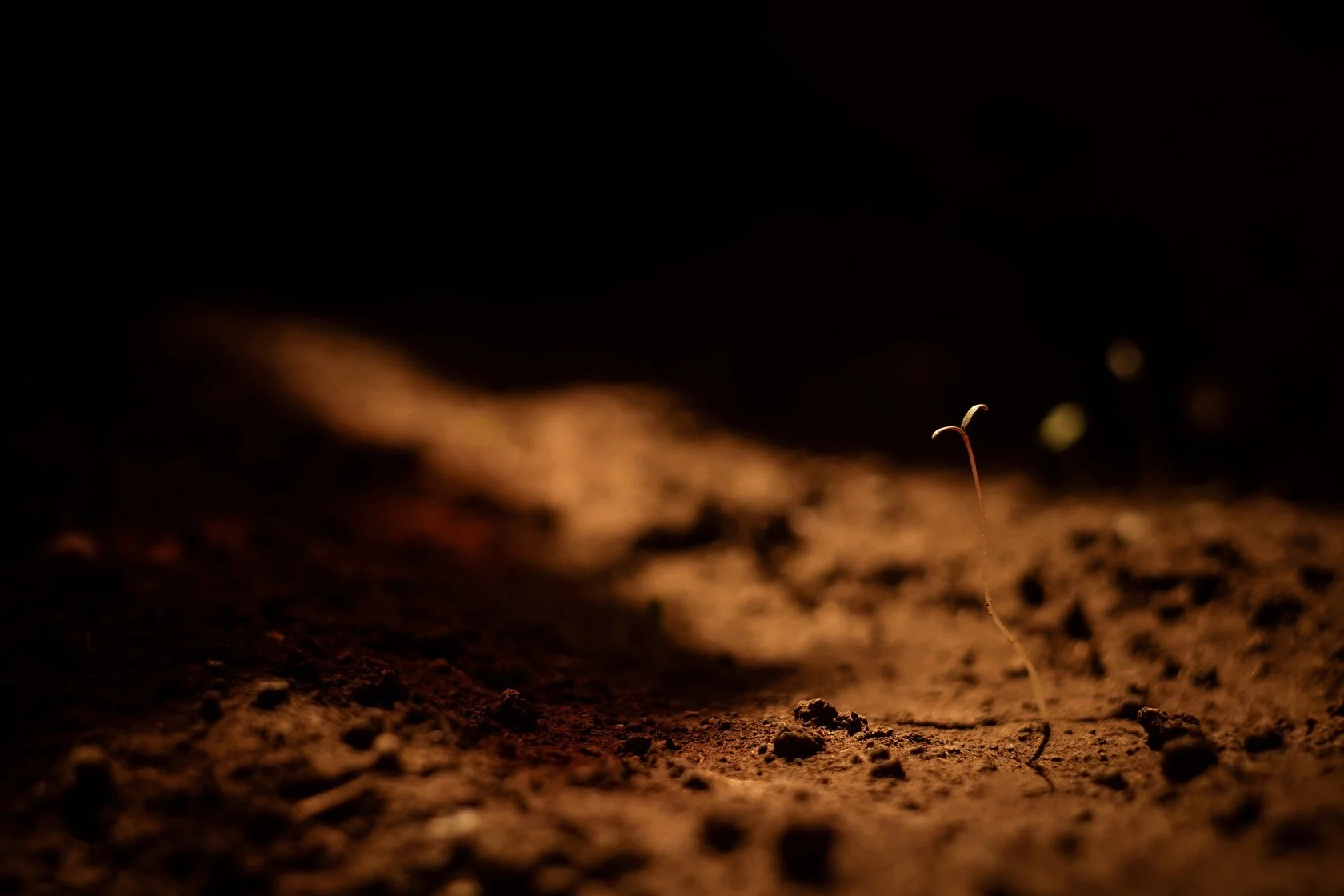
It will be challenging for us to nurture and grow plants when we finally start a colony on the red planet. Researchers on the international space station made an exciting discovery that might make things a little easier
Water ice is an extremely useful resource for planetary colonists and explorers. Fortuitously the Martian poles have a large amount of it. But how long has it been there?
Black holes: few objects in the universe are this terrifying and intriguing at the same time. But what would happen if curiosity wins the battle against fear and you would like to study a black hole from the inside?
It has been the subject of movies, books, scientific discussion, and even music for longer than living memory. But has there ever been life on Mars? If so, where did it thrive? A new theory says it could have existed in vast underground lakes below the surface.
Astronomers from the University of Montreal recently took a closer look at the ultra-large exoplanet WASP-107b and found that these so-called 'super-puff' planets can get even weirder than they imagined.