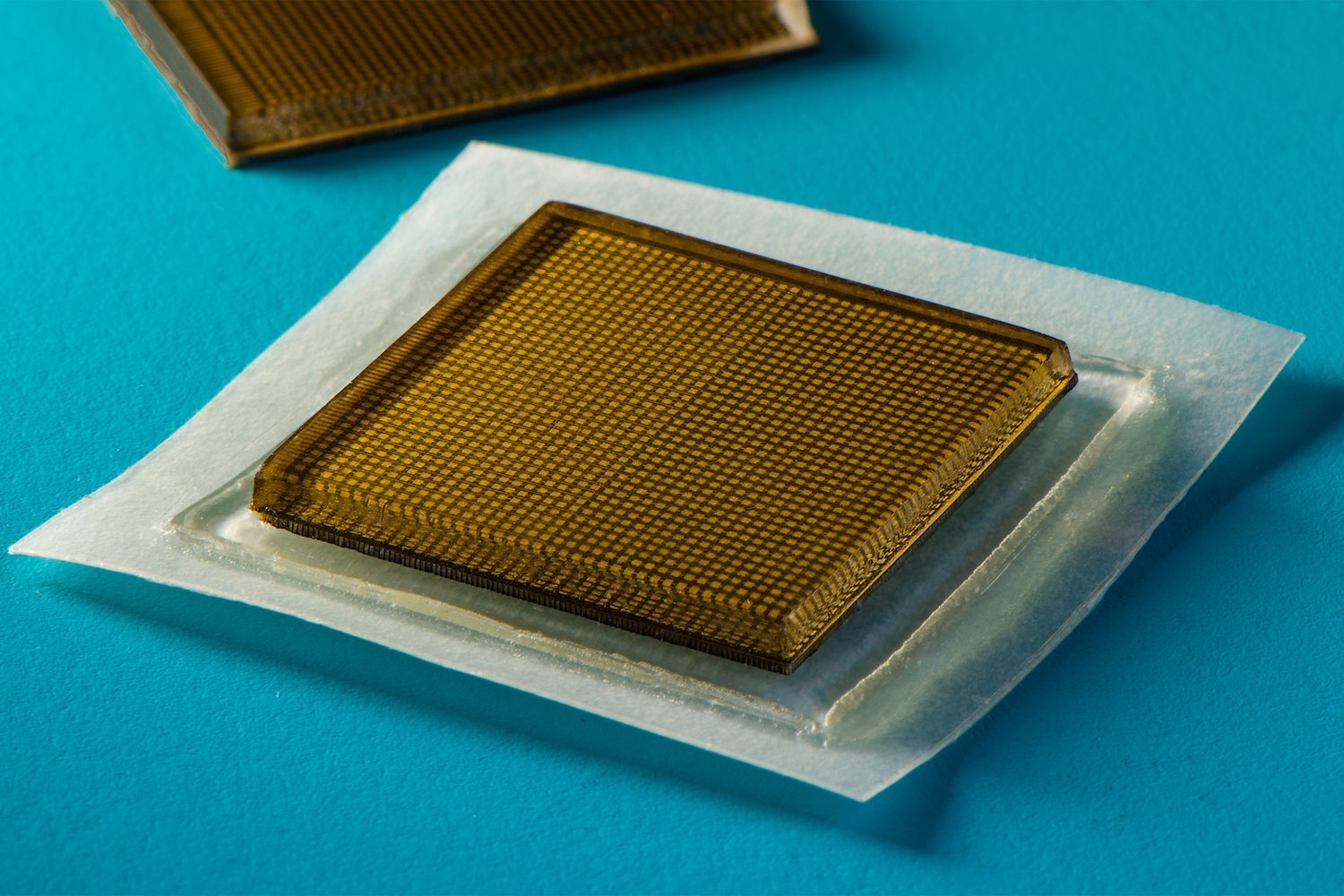
Scientists at North Carolina State University have developed a cutting-edge electronic patch for plants that may help improve global food security in the future.

Modern octopuses are known as escape artists of the sea, soft-bodied, elusive, and almost impossible to pin down. But a new fossil discovery is challenging that familiar image. Hidden inside ancient rocks, scientists have found rare clues that suggest the early story of octopuses may have been far more dramatic than anyone expected.
The Moon’s south pole may be hiding more than ancient darkness. New research suggests its frozen secrets were not created in a single cosmic event, but shaped slowly over billions of years. Some craters kept far more than others, and the reason may change where future lunar explorers search first.
Planetary rovers may seem like bold explorers, but in reality they work under tight limits. On Mars, even simple instructions take minutes to arrive, so every move must be planned carefully. That keeps missions safe, but it also raises a question: if robots move slowly and stop often, how much of another world can we really study?