Researchers hope a “digital brain twin” could one day let doctors test a treatment on a copy of your brain before trying it for real. But even a model that matched your brain today would face a problem tomorrow. As you learn and grow older, your brain changes. How would a twin keep up? How close are we to making a real digital copy of the human brain to begin with?
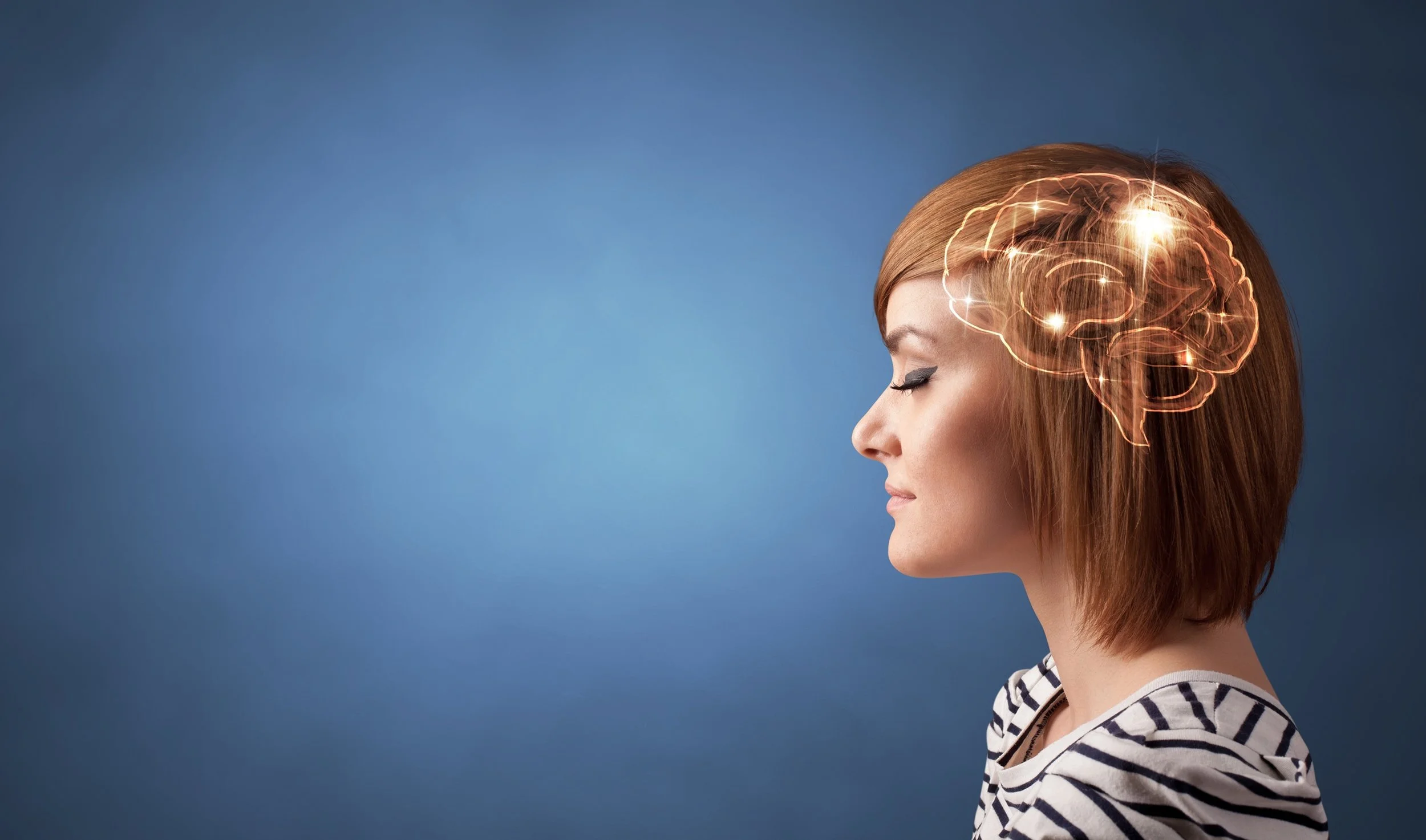
Image Credit: ra2 studio via shutterstock
What makes a brain model yours?
In a review published in Nature Reviews Electrical Engineering, Dr Ruohan Zhang of the University of Warwick and colleagues explain what makes a digital twin personal. Researchers build it using measurements from one person’s brain. As fresh measurements come in, they use them to check how closely the model still matches that person and to adjust it where needed.
According to the review, today’s models can already reproduce selected features of an individual brain, including aspects of its structure and how it works. Most are still snapshots. A model can contain an enormous number of simulated brain cells, yet the researchers can only check its accuracy where they have measurements from the person it represents.
What can scientists actually measure?
Consider a tiny roundworm called C. elegans. It has just 302 nerve cells, and scientists can map every connection between them. A human brain has around 86 billion nerve cells. Tracing every connection in a human brain, the review notes, is far beyond what current technology and budgets allow.
Zhang and colleagues describe how scientists could piece together a picture across different scales. An electron microscope can reveal fine details in a tiny patch of brain tissue. Across larger regions, researchers can use statistical maps of the kinds of cells found there and how they tend to connect. An MRI scan of the individual’s whole brain can help tie those pieces together.
That leaves a distinction that matters for anyone hoping to use the twin. A statistical map can suggest how cells in a region are likely to connect. Knowing exactly how they connect in your brain would require a measurement at that level of detail.
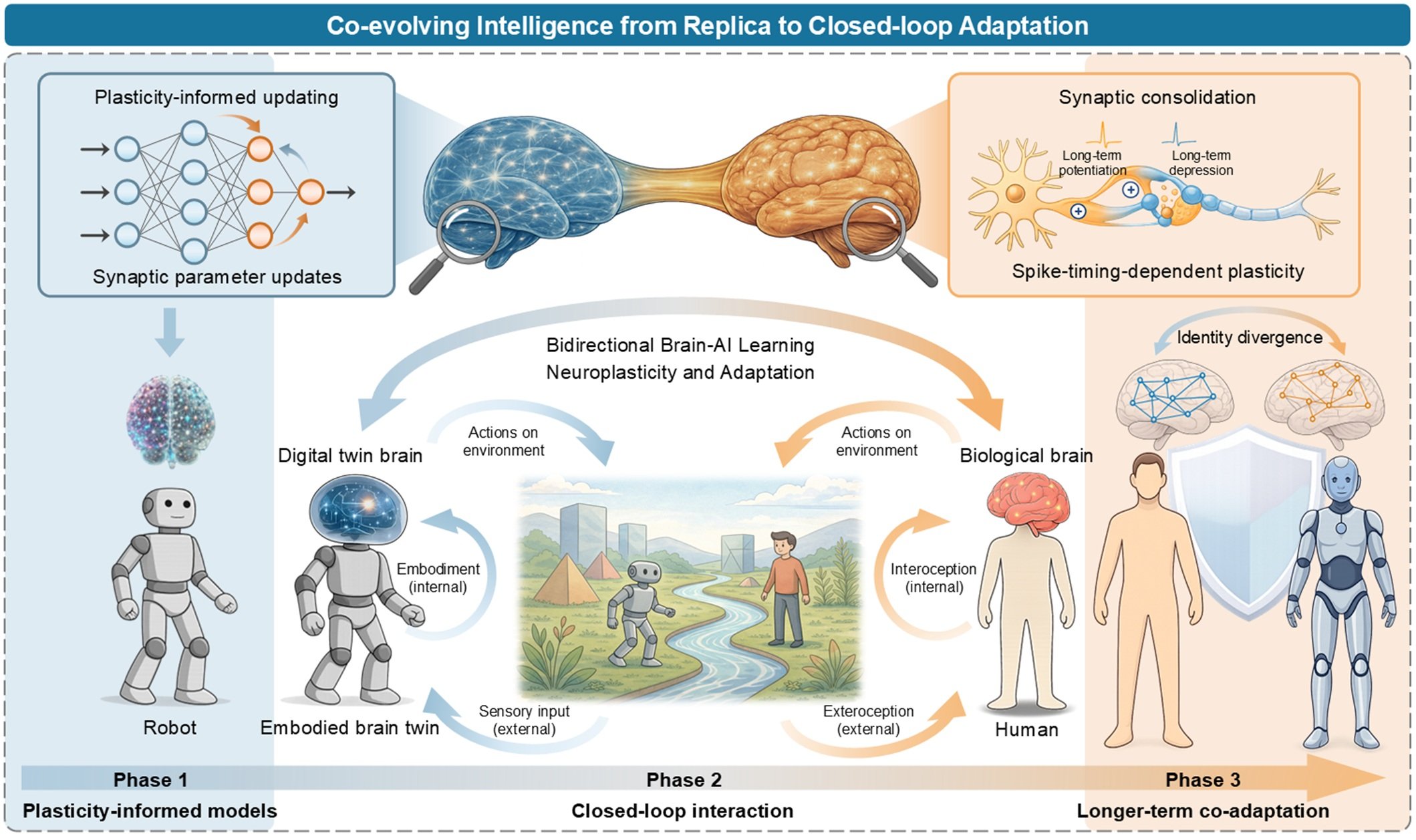
Three steps toward a digital twin that learns alongside your brain. The line marks today’s science (steps one and two) versus the future (step three). - Image Credit: Dr Ruohan Zhang / University of Warwick
What could a twin teach us as the brain changes?
The researchers envision a model that could predict how a person’s brain will respond, then use measurements of the actual response to correct its next prediction. Over time, that repeated check could help the twin follow changes brought on by experience, ageing or disease.
One of the first uses, the review suggests, could be in neuroscience, where a twin would give scientists a place to try experiments that would be impossible or unethical in a living brain. The authors also see possibilities for studying how artificial systems learn to adapt and, eventually, for exploring how an individual patient might respond to treatment.
For that patient, the value of a digital twin would depend on how faithfully it reflects the brain they have when a treatment decision comes around. Building the model is only the start. What makes it a twin is the ability to return to the same person, measure what has changed and bring the model up to date.
If you are interested in further reading on this topic be sure to check out the article published in nature reviews, listed below.
Sources and further reading:
A Single Technology Could Help Restore Both Sight and Touch - (Universal-Sci)
Why Your Brain Lets Some Memories Last For Years (And Deletes Others Fast) - (Universal-Sci)
Scientists Discovered How the Brain Remembers Foods That Made You Sick - (Universal-Sci)
Your Tears Could Be Hiding Clues About Your Brain Health - (Universal-Sci)
What the Cold Sore Virus May Be Doing to Your Brain - (Universal-Sci)

Too busy to follow science news during the week? - Consider subscribing to our (free) newsletter - (Universal-Sci Weekly) - and get the 5 most interesting science articles of the week in your inbox
FEATURED ARTICLES: